目录
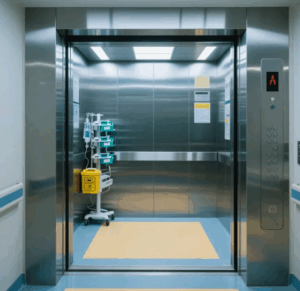
A hospital elevator is a special type of elevator designed to meet the needs of hospitals. Unlike regular elevators found in offices or homes, hospital elevators carry patients on stretchers, wheelchairs, and medical equipment safely and quickly. They play an important role in patient care, helping staff move people efficiently, especially in emergencies. In addition, hospital elevators often have features that improve workflow for hospital staff, reducing waiting times and helping hospitals operate smoothly throughout the day.
Hospital Elevator vs Regular Elevator: Key Differences
(1)Size and Capacity
- Larger Dimensions
Hospital elevators are larger and stronger than regular elevators. They usually hold 2,500 to 5,000 pounds (1,134–2,268 kg), so they can transport stretchers, wheelchairs, and several people at the same time.
- Regular Elevator Limits
Regular elevators normally hold 2–12 people with a weight limit of about 2,000 pounds (907 kg). Some hospital elevators are even designed to fit multiple stretchers simultaneously, which is crucial during peak emergency hours.
(2)Door Width and Accessibility
- Wide Doors for Medical Equipment
The doors on the hospital elevator are wider, about 42–48 inches, to make it easy to move stretchers and medical equipment.
- Sensor Technology
Hospital elevators may also have automatic door sensors that prevent doors from closing on equipment or people, increasing safety. Regular elevators have smaller doors, around 36 inches, which may not fit large hospital carts or stretchers.
Features of Hospital Elevators
- Backup Generators
Hospital elevators are connected to backup power, like a generator, so they work even during a power outage. Regular elevators usually stop working when the main power goes out.
- Comfort for Patients
Hospital elevators are built to move smoothly without jolts, which is important when patients are on IV drips or life-support equipment.
- Reduced Stress
Smooth movement also reduces anxiety for patients who are already stressed or in pain. Regular elevators may shake slightly, which is not suitable for fragile medical cases.
- Antimicrobial Surfaces
Many hospital elevators are antimicrobial and meet strict fire safety rules. Some are designed as firefighter elevators to keep smoke out and help in emergencies.
- Easy Cleaning
Hospital elevators may have easily cleanable surfaces to prevent the spread of infections. Regular elevators meet basic safety rules but are not designed for medical hygiene or emergency use.
Speed and Efficiency
- Hospital Elevator Speed
Hospital elevators often move 100–200 feet per minute and are prioritized for emergencies, helping patients reach operating rooms or the ICU quickly.
- Regular Elevators
Regular elevators move more slowly, about 60–100 feet per minute, and do not have priority features. Faster elevator response times can be life-saving in critical situations.
Installation and Maintenance
- Space Requirements
Hospital elevators need bigger shafts and more space in lobbies for stretchers.
- Regular Checks
They require monthly maintenance to check brakes, motors, and emergency systems. Hospital elevators often include advanced monitoring systems to detect malfunctions early and ensure safe operation.
Why Hospital Elevators Are Important
- Efficient Transportation
Hospital elevators help doctors and nurses work efficiently and reduce delays in emergencies.
- Enhanced Safety
Investing in high-quality hospital elevators benefits both patients and staff, ensuring smooth and efficient hospital operations while meeting strict safety and hygiene standards.
Conclusion
A hospital elevator is different from a regular elevator in size, safety, speed, and design. They are essential for hospitals to provide fast and safe patient care. Hospitals that invest in specialized elevators can ensure smoother workflow, better patient outcomes, and enhanced safety for everyone.
0