
目录
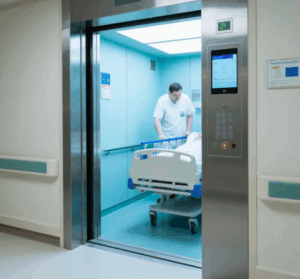
Choosing the right hospital elevator begins with understanding the specific needs of a healthcare facility. Different hospitals have varied patient volumes, floor layouts, and department arrangements. For example, a small community hospital with three floors may only require one large elevator for patient transport, whereas a multi-specialty hospital with ten or more floors may need several elevators dedicated to patients, equipment, and staff separately. Selecting a hospital elevator that aligns with daily operational requirements ensures smooth workflow and avoids congestion during peak hours.
1. Considering Department Functions
Each department has unique transport demands. Operating theaters need elevators capable of handling stretchers with attached medical equipment, while pharmacy or laboratory departments may require elevators for moving sensitive instruments or bulk supplies. A properly chosen hospital elevator can accommodate these different tasks efficiently without compromising safety or speed.
2. Capacity and Dimensions of a Hospital Elevator
The hospital elevator must have adequate capacity and dimensions to meet hospital standards. Typical elevators for patient transport are at least 2.1 meters deep and 1.8 meters wide, providing enough space for a stretcher, accompanying staff, and medical equipment. Load capacity is another crucial factor; elevators with 1600–2000 kilograms of capacity are recommended for large hospitals to allow simultaneous transport of multiple patients or equipment when necessary.
- Load Distribution and Safety
Proper weight distribution is essential for the hospital elevator’s safe operation. Elevators should have sensors that prevent overloading and ensure smooth movement, which is especially important when transporting critical patients. Overloading can cause mechanical strain, increase downtime, and compromise safety.
3. Speed and Efficiency Considerations
Efficient vertical transport is vital in a hospital. A hospital elevator operating at 1.0 to 1.5 meters per second balances speed with patient comfort. Faster elevators reduce waiting times, particularly in hospitals with multiple floors or high patient throughput. Planning elevator placement near high-demand departments, such as emergency rooms or ICUs, enhances overall efficiency.
- Minimizing Patient Transfer Time
Shorter travel times contribute directly to operational efficiency. For instance, in a ten-story hospital, a standard hospital elevator can complete a round trip in 60–90 seconds, allowing medical staff to move between floors rapidly. Efficient transport reduces delays in treatment, staff fatigue, and congestion in hallways.
4. Safety and Compliance Features
Safety is a primary concern when selecting a hospital elevator. Compliance with national and international standards ensures reliable operation under different conditions. Elevators should include smooth acceleration and braking, handrails, non-slip floors, and clear interior lighting.
- Emergency Readiness
Hospitals must consider emergency scenarios such as power outages or fire incidents. Backup power integration ensures the hospital elevator remains operational during a blackout. Fire-rated doors and smoke-proof shafts are critical for safe evacuation or continued transport of patients in emergencies.
5. Balancing Cost and Durability
Selecting a hospital elevator involves evaluating both initial investment and long-term operational costs. Durable elevators may have higher upfront costs but offer fewer repairs and longer service life. Hospitals must balance cost efficiency with the requirement for continuous, reliable operation.
6. Conclusion
Choosing the right hospital elevator involves careful evaluation of hospital needs, capacity, speed, safety features, maintenance, and workflow integration. A well-selected elevator not only ensures smooth daily operations but also enhances patient care, staff efficiency, and emergency readiness. By aligning elevator specifications with hospital requirements, healthcare facilities can create a reliable and safe transport system that supports both routine and critical medical operations.
0