目录
As data demands continue to increase, traditional copper-based systems often struggle with interference and signal degradation over long distances. Fiber optic technology has emerged as a superior solution by offering high-speed, low-loss transmission that significantly enhances network performance. Many large-scale projects also rely on wholesale fiber optic cable supply chains to ensure consistent quality and cost efficiency when deploying these advanced systems.
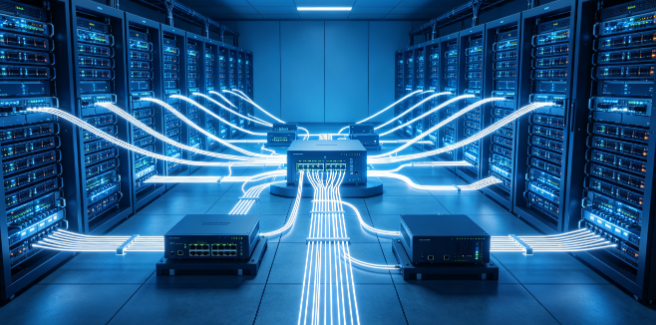
Reducing Signal Loss Through Advanced Transmission Technology
One of the primary advantages of fiber optic cable is its ability to minimize signal loss, even over long distances. Unlike copper cables that transmit electrical signals, fiber uses light, which is far less susceptible to degradation.
- Optical signals travel through glass fibers with extremely low attenuation, allowing data to maintain strength across long transmission routes without frequent amplification.
- Modern fiber designs use high-purity materials that reduce scattering and absorption, ensuring that more of the original signal reaches the destination intact.
- In large-scale deployments, components sourced through wholesale fiber optic cable suppliers help maintain uniform quality, which directly contributes to lower overall signal loss across the network.
This makes fiber optic systems ideal for long-haul communication and high-performance data networks.
Enhancing Network Stability in High-Interference Environments
Network stability is often compromised in environments with heavy electromagnetic interference (EMI), but fiber optic technology effectively eliminates this issue.
- Fiber cables transmit data using light rather than electricity, making them completely immune to EMI from nearby power lines, machinery, or electronic devices.
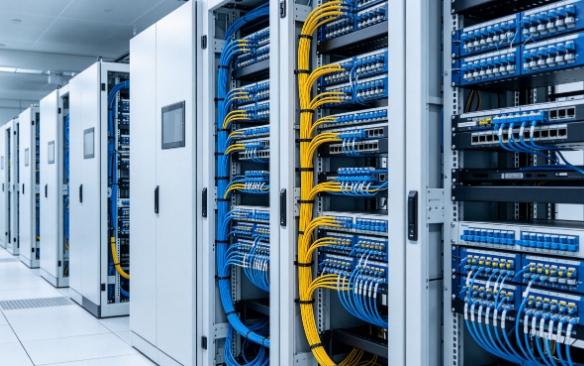
- Even in densely packed server rooms or industrial environments, fiber maintains consistent performance without signal fluctuation or interruption.
- Properly engineered installations, often supported by wholesale fiber optic cable sourcing, ensure standardized components that contribute to long-term stability across complex network systems.
This immunity to interference makes fiber optic networks significantly more stable than traditional copper-based systems.
Increasing Bandwidth Efficiency and Data Integrity
High-performance networks require both stability and the ability to handle large volumes of data without loss or delay.
- Fiber optic cables support extremely high bandwidth, allowing simultaneous transmission of large data streams without congestion or bottlenecks.
- Multiplexing technologies enable multiple signals to travel through a single fiber, increasing efficiency while maintaining signal clarity.
- Error rates are significantly reduced due to the precise nature of optical transmission, ensuring data integrity even under heavy network loads.
These advantages are particularly important in systems that depend on reliable infrastructure built using wholesale fiber optic cable solutions for large-scale deployment.
Improving Physical Durability and Environmental Resistance
Another key factor that improves network stability is the physical durability of fiber optic cables compared to traditional alternatives.
- Fiber cables are resistant to corrosion and environmental factors such as moisture, temperature fluctuations, and chemical exposure.
- Their lightweight and flexible structure reduces physical stress during installation, lowering the risk of internal damage.
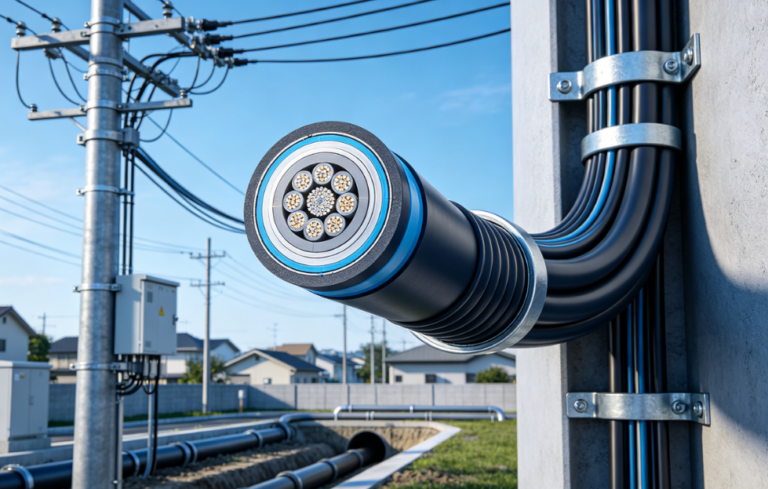
- Protective layering and advanced jacket materials enhance durability, making them suitable for both indoor and outdoor applications.
This durability ensures consistent performance over time, reducing the likelihood of signal degradation caused by environmental wear.
Supporting Long-Term Network Reliability and Maintenance Efficiency
Stable networks require not only strong performance but also easy maintenance and long-term reliability.
- Fiber optic systems require less frequent maintenance because they are highly resistant to signal loss and external interference, which reduces the likelihood of unexpected failures.
- Fault detection is more accurate, allowing technicians to quickly locate and resolve issues without disrupting the entire network or affecting connected systems.
- Modular designs and standardized components simplify upgrades and replacements, helping reduce downtime during maintenance and ensuring smoother long-term operations.
These factors together contribute to a more reliable and cost-effective network infrastructure over its entire lifecycle.
Conclusion
Fiber optic cable plays a crucial role in improving network stability and reducing signal loss across modern communication systems. Through low attenuation transmission, immunity to electromagnetic interference, high bandwidth capacity, strong environmental resistance, and efficient maintenance characteristics, fiber ensures consistent and reliable performance even in the most demanding environments. As global data demands continue to grow, fiber optic technology remains the foundation of stable, high-speed, and future-ready network infrastructure.
0