目录
Choosing the right display panel is very important when buying or using a horizontal LCD. Whether it is for a computer monitor, a control panel, or an industrial screen, the type of panel affects how clear and bright the screen looks. A wrong choice can lead to poor visibility, faded colors, or blurry images. In this article, we will explain the main types of panels, their advantages and disadvantages, and tips for choosing the best one. We will also cover extra points like touchscreens, brightness, and energy saving to help you pick the right horizontal LCD.
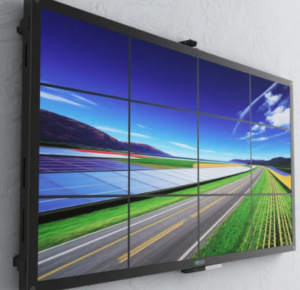
Types of Panels for Horizontal LCD
There are three main types of panels commonly used in horizontal LCDs: TN (Twisted Nematic), IPS (In-Plane Switching), and VA (Vertical Alignment). Each type works differently and is suitable for different needs.
- TN Panels
TN panels are cheap and fast. They are good for screens where speed is more important than color, such as gaming monitors or simple industrial displays. The downside is that colors can look off when you look at the screen from an angle, which can make it harder to see the display clearly from the side.
- IPS Panels
IPS panels are known for showing accurate colors and having wide viewing angles. This means the screen looks good even when viewed from the side or above. IPS panels are perfect for work that needs correct colors, like design, medical monitoring, or advertising displays. They are slightly slower and more expensive than TN panels, but the better image quality is worth it.
- VA Panels
VA panels are a mix between TN and IPS. They have higher contrast, which makes blacks look deeper and images more vivid. They are also decent for colors and viewing angles, but not as strong as IPS. VA panels are good for general-purpose horizontal LCDs, where both color and contrast matter.
Key Factors to Consider for Horizontal LCD Panels
When picking a horizontal LCD, there are more things to think about than just panel type.
- Viewing Angle
For horizontal LCDs, the screen might be seen from different positions. IPS panels are best for wide angles, TN panels are weaker, and VA panels are in the middle.
- Color and Contrast
If the display shows pictures or detailed information, color accuracy and contrast are important. IPS panels have the most accurate colors, VA panels have the best contrast, and TN panels are basic.
- Response Time
Response time affects how smooth moving images look. TN panels are the fastest, IPS and VA panels are slightly slower. For gaming or fast updates, TN panels are better.
- Brightness and Backlight
Horizontal LCDs often need to be bright enough to see clearly in different lighting. Most use LED backlights, which save energy and give good light. Some screens have extra features like local dimming to improve contrast.
- Environmental Conditions
Think about where the screen will be used. Some panels need anti-glare coatings or sunlight-readable screens if used outdoors. Industrial screens may need to resist heat, dust, or moisture.
Extra Features for Horizontal LCDs
- Touchscreen
Some horizontal LCDs include touch functions. Capacitive touchscreens feel smooth and support multi-touch, while resistive touchscreens are tougher and can be used with gloves.
- Energy Saving
Modern horizontal LCDs often have energy-saving modes or auto-brightness. TN panels usually use less power, while IPS and VA panels may consume a bit more.
- Customization
For special uses, horizontal LCDs can come in different sizes, resolutions, or mounting options. Choosing a flexible panel ensures it meets both current and future needs.
Conclusion
Choosing the best panel for a horizontal LCD depends on your needs. TN panels are fast and cheap but limited in color and viewing angles. IPS panels have the best color and wide viewing angles, making them ideal for professional work. VA panels offer good contrast and balanced performance for mixed uses.
Also, remember to consider brightness, touch features, energy efficiency, and environment. With these points in mind, you can select a horizontal LCD that looks good, works well, and lasts a long time.
0