目录
A residential garage is often one of the most used yet overlooked spaces in a home, exposed to vehicle traffic, oil leaks, moisture, and temperature changes. Over time, untreated concrete can crack, stain, and produce dust, leading homeowners to ask whether floor coating is really necessary. The answer depends on usage and maintenance needs, but in most modern homes, a protective coating is no longer just an aesthetic upgrade—it is a practical solution for improving durability, safety, and property value.
Why Garage Floors Need Extra Protection
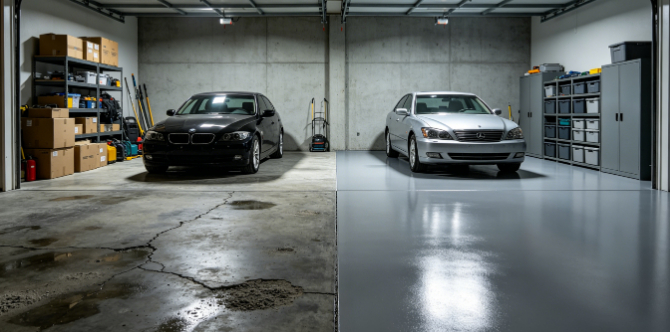
Concrete may look strong, but it is naturally porous and vulnerable. Without protection, it absorbs liquids and gradually weakens. This is why many homeowners consider coating as a long-term investment rather than a luxury.
Key reasons garage floors deteriorate include:
- Chemical exposure: Motor oil, brake fluid, antifreeze, and gasoline can seep into concrete and cause permanent stains or surface damage.
- Moisture penetration: Water from wet tires or humidity can enter the pores of concrete, leading to cracks or even mold development in enclosed garages.
- Temperature changes: Expansion and contraction due to seasonal changes can weaken untreated concrete over time.
- Abrasion and impact: Tools, heavy storage bins, and vehicle movement gradually wear down the surface.
Because of these issues, many homeowners start exploring protective coating systems as a long-term solution rather than repeated repairs.
Benefits of Applying Floor Coating in Residential Garages
A well-applied floor coating does more than improve appearance. It transforms the garage into a more functional and durable space.
1. Enhanced Surface Protection
- Forms a protective layer over concrete, reducing direct contact with chemicals and moisture
- Prevents oil stains from penetrating the surface
- Reduces dust formation caused by concrete breakdown
- Improved Cleaning and Maintenance
- The surface is smooth, making it easy to clean and mop.
- Spilled liquids can be wiped away quickly without leaving marks
- Reduces long-term cleaning effort and maintenance costs
3. Increased Safety
- Anti-slip additives can be added to reduce accident risks
- A brighter surface improves visibility in the garage
- Reduces dust, which can improve air quality in enclosed spaces
4. Better Aesthetic Appeal
- Creates a polished, showroom-like finish
- Available in multiple colors and textures
- Helps improve overall property value perception
These benefits explain why many homeowners start consulting professional installers or floor coating suppliers when planning garage upgrades.
Key Considerations Before Coating a Garage Floor
Not every garage is the same, and choosing the right coating requires careful evaluation. Homeowners should understand the following aspects before making a decision:
1. Condition of Existing Concrete
- Cracks or uneven surfaces must be repaired before coating
- Old oil stains may require deep cleaning or grinding
- Moisture levels should be tested to ensure proper adhesion
2. Type of Usage
- Light residential use (parking only) may require basic coating
- Heavy-use garages (workshops or storage) need industrial-grade systems
- Garages exposed to frequent water or chemicals require higher resistance coatings
3. Climate Factors
- Humid regions may need moisture-resistant epoxy systems
- Areas with temperature fluctuations benefit from flexible coating materials
- Freeze-thaw cycles require coatings with high expansion tolerance
4. Installation Method and Time
- Some coatings require the application of multiple layers and a curing period.
- Professional installation ensures better bonding and longevity
- DIY kits may be cost-effective but require precision and preparation
Understanding these factors helps homeowners avoid premature coating failure and ensures long-term performance.
Choosing the Right Coating Solution
Selecting the right coating is not only about material type but also about supplier reliability and installation quality. Many homeowners turn to professional floor coating suppliers to ensure they receive durable and tested solutions.
Conclusion
So, is floor coating necessary for residential garage floors? While not absolutely mandatory, it is highly recommended for better durability, lower maintenance, and improved safety. A garage is more than just a storage space—it is part of the home environment, and protecting it helps keep it functional and clean for years. Whether upgrading or building a new garage, choosing the right system and consulting reliable floor coating suppliers can greatly improve long-term performance and value.
0