目录
In modern manufacturing and packaging environments, efficiency and accuracy are essential. An automatic labeling system is used to apply labels to products, packages, or containers in a stable and precise way. At the early stage of production, this automated labeling solution helps manufacturers increase output speed, reduce reliance on manual labor, and maintain labeling compliance across different product lines.

Core Components of an Automatic Labeling System
A complete automatic labeling system is made up of several coordinated components. Each part plays a specific role in ensuring smooth and accurate label application throughout the process.
- Label Feeding Unit
The label feeding unit is responsible for releasing labels from a roll or stack in a controlled manner. During operation, the system manages label tension and alignment to prevent wrinkling, skewing, or misfeeds.
This mechanism ensures that labels are supplied at a speed that matches the overall labeling process.
- Conveyor and Product Transport
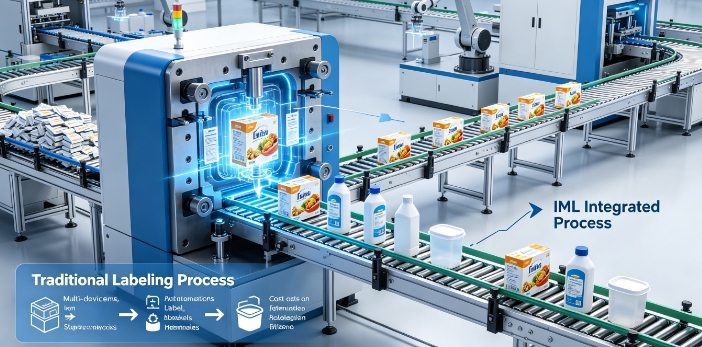
The conveyor transports products through the labeling station and keeps them moving at a stable pace. In most setups, conveyor speed is synchronized with label dispensing to ensure accurate placement.
By maintaining consistent product positioning, the automated labeling process achieves reliable results across different batches.
- Sensor and Detection System
Sensors are used to detect product presence and position before labeling begins. Photoelectric or proximity sensors commonly trigger label release at the correct moment.
Accurate detection reduces label waste and helps prevent incorrect or missing labels during operation.
- Control System
The control system acts as the central command unit of the automatic labeling system. Using PLCs or embedded controllers, it manages timing, speed, and placement logic.
Operators can easily adjust settings to adapt the labeling equipment to different product sizes and label formats.
Step-by-Step Automatic Labeling System Process
Understanding how an automatic labeling system works step by step allows manufacturers to optimize efficiency and minimize errors.
Step 1: Product Feeding
Products are first introduced into the labeling line through a conveyor or infeed mechanism. They are aligned and spaced evenly to ensure smooth downstream operation.
Proper feeding helps the labeling process run continuously without interruptions.
Step 2: Product Detection
As products move forward, sensors detect their arrival at the labeling position. Once detected, a signal is sent to initiate label dispensing.
This precise timing ensures labels are applied at the correct location on each item.
Step 3: Label Dispensing
The label is peeled from its backing material and guided toward the product surface. During this stage, label speed and angle are carefully controlled.
This step helps maintain label integrity and prevents deformation during transfer.
Step 4: Label Application
Labels are applied using rollers, brushes, or air-blow mechanisms, depending on the application type. Pressure is adjusted to ensure secure adhesion without damaging the product.
Consistent application quality is one of the key advantages of automated labeling equipment.
Step 5: Inspection and Output
After labeling, inspection functions may be used to verify label presence and positioning. Qualified products then exit the line and move to the next production stage.
This final step supports overall quality control and process stability.
Types of Automatic Labeling System Applications
Different industries rely on various forms of automatic labeling systems to meet their operational needs.
In the food and beverage sector, labeling equipment is used for bottles, jars, and flexible packaging. Pharmaceutical manufacturers depend on automated labeling for traceability and regulatory compliance. Logistics operations apply labels to cartons and shipping units, while electronics manufacturers use labeling solutions for product identification.
Advantages of Using an Automatic Labeling System
Compared with manual labeling, an automatic labeling system offers clear advantages. It improves production efficiency, reduces labor costs, and minimizes human error.
In addition, consistent label placement enhances product appearance and brand presentation. The ability to support quick changeovers also makes automated labeling suitable for multi-product production environments.
Conclusion: Why Automatic Labeling Matters
An automatic labeling system is an essential part of modern manufacturing and packaging lines. From product detection to final inspection, it ensures accuracy, efficiency, and consistency throughout the labeling process.
By understanding how automatic labeling works, manufacturers can select suitable solutions to improve productivity and maintain competitiveness in fast-moving markets.