目录
A passenger lift, also known as a passenger elevator, is designed to transport people rather than goods. It typically operates through an electric motor that drives a system of cables or hydraulics to move the lift car up and down the shaft.
The key goal of a passenger lift is to provide a smooth, safe, and efficient travel experience for its users.
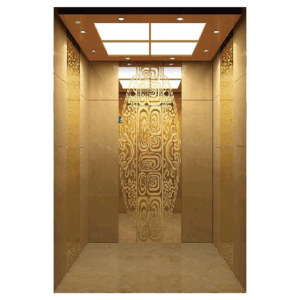
Design and Functionality of a Passenger Lift
The modern passenger lift includes several essential components: the lift car, doors, counterweight, hoisting cables, safety brakes, and a control system. Each element contributes to performance and safety.
The control system is the “brain” of the passenger lift. It ensures that when a user presses a button, the lift stops at the correct floor and maintains optimal timing.
- Advanced passenger lifts use smart algorithms to minimize waiting times and energy consumption.
- Many newer systems also feature regenerative drives, which reuse energy generated during descent, reducing overall power usage.
Comfort is another focus in passenger lift design. Modern lifts use vibration-reducing materials and silent traction systems to provide a smoother ride. LED displays, clear floor indicators, and emergency communication systems make them user-friendly and reliable.
The Role of Passenger Lifts in Urban Living
In high-density cities, the passenger lift has transformed how we use space. It enables vertical expansion, allowing more people to live and work in the same footprint.
- Residential towers rely on passenger lifts for daily movement, while commercial buildings use them to manage high traffic during peak hours.
- Passenger lifts also improve accessibility. For elderly residents or people with mobility challenges, the lift is often essential.
- In many countries, building codes now require passenger lifts in multi-story public buildings to ensure equal access for all users.
- Beyond functionality, the passenger lift contributes to a building’s image.
A fast, quiet, and well-maintained passenger lift enhances user satisfaction and reflects the quality of the property. In modern real estate, elevator performance is even seen as a selling point.
Choosing the Right Passenger Lift
When selecting a passenger lift for a building, several factors need to be considered:
- Capacity and Speed: Determine how many passengers will use the lift at peak times and how fast it should travel. Taller buildings need higher speeds.
- Design and Cabin Size: The lift should match the building’s interior style while providing enough space for users, strollers, or wheelchairs.
- Control System: Smart destination dispatch systems can group passengers by floor, reducing wait times and improving flow.
- Safety Features: Emergency brakes, overload protection, and fire-resistant materials are essential.
- Energy Efficiency: Look for regenerative drives and LED systems that lower energy costs.
- Maintenance and Service: Regular inspection ensures the passenger liftremains reliable and safe.
- Space Requirements: Machine-room-less (MRL) lifts are ideal for smaller buildings where space is limited.
Each of these considerations influences both user comfort and long-term cost.
Passenger Lift Safety and Maintenance
Safety is the top priority in any passenger lift. Modern lifts include multiple layers of protection, such as automatic braking systems, door sensors, and backup power during outages. Regular maintenance is crucial to keep these systems functioning properly.
Routine inspections typically cover cables, brakes, door mechanisms, and electrical systems. Many modern passenger lifts now use digital monitoring systems that track performance and send alerts when maintenance is required. This proactive approach reduces downtime and prevents accidents.
Conclusion
As urban environments grow, passenger lifts will remain vital to how we live and work. With advances in smart systems, energy efficiency, and modern design, the passenger lift is no longer just a convenience—it’s an essential part of modern life.
0