目录
Though trash cans may appear to be common daily products, selecting a good vendor entails more than price considerations. In fact, when making choices for purchase for wholesalers, retailers, or business buyers, there are various aspects that play into the selection process, including the quality of the material used, durability of the product, customization capabilities, and dependability of delivery, among others. An ideal trash can manufacturer needs to offer goods for varied applications in a consistent quality and timely manner.
1. Product Quality and Material Selection
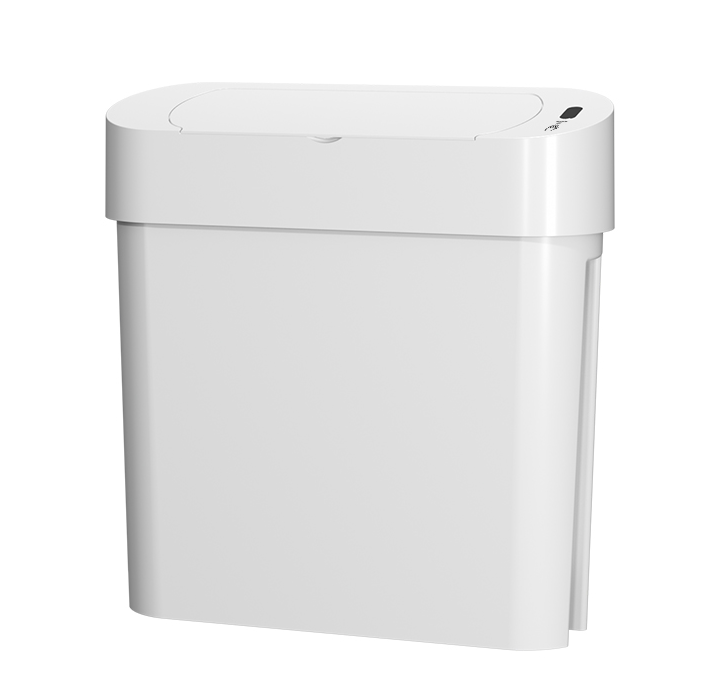
The quality of the product is essential for the establishment of a reliable manufacturing partnership. The trash cans have to be strong enough to endure usage, cleaning, transportation, and even some environmental conditions in case the cans are to be placed outdoors.
Choosing the Right Materials
Common materials include plastic, stainless steel, and carbon steel, each offering different advantages.
- Plastic: HDPE normally offers good resistance to impact and chemicals, therefore making it ideal for use in outdoor locations, parks, and commercial places. PP is mostly used for indoor waste bins and lightweight items.
- Stainless steel: Selected for offices, hotels, and shopping malls, it provides clean looks and easy maintenance. Its resistance to rust varies depending on the steel grade and surface treatment.
- Carbon steel: With suitable surface protection, it is a practical option for waste collection equipment. The buyer must take into account the effects of moisture and maintenance.
A capable trash can manufacturer should explain the suitability of each material rather than recommend products based on price alone.
Evaluating Structural Design
The structure of the product also influences the longevity and use of the product. It is recommended that buyers examine the sturdiness of the base, lid hinges, body joints, handles, and wheels. In the case of wheeled bins, the carrying capacity and mobility aspects become very important.
2. Manufacturing Capability and Quality Control
Consistent manufacturing processes help ensure that products meet the required specifications. Buyers need to check if the suppliers’ technology meets their product needs.
Understanding Manufacturing Processes
| Process | Typical Applications | Key Considerations |
| Injection molding | Plastic bins, lids, and components | Mold precision and dimensional consistency |
| Blow molding | Hollow plastic containers and selected large bins | Wall thickness and structural strength |
| Sheet metal fabrication | Metal bins and housings | Welding quality and edge finishing |
| Surface treatment | Metal bodies and components | Coating adhesion and corrosion resistance |
Not every supplier needs to offer every process. The priority is finding a manufacturer with the appropriate production capabilities for the required products.
Checking Quality Inspection Procedures
Quality control must extend to raw materials, manufacturing procedures, completed items, and packing. In the process of making purchases, it is advisable to inquire about methods of measuring dimensions, dealing with defective items, and keeping batch records.
Depending on the intended purpose, tests can be load-bearing capacity tests, impact tests, or lid-opening cycles. For instance, a buyer may set the number of cycles required in the case of lids that are used very often. It is advisable to agree on test conditions beforehand because there are no standard tests in this industry.
3. Customization and OEM/ODM Services
Standardized products might not suit the brand needs of every retail buyer and the functional needs of every commercial project. With customization, buyers can match products to their markets.
Flexible Product Customization
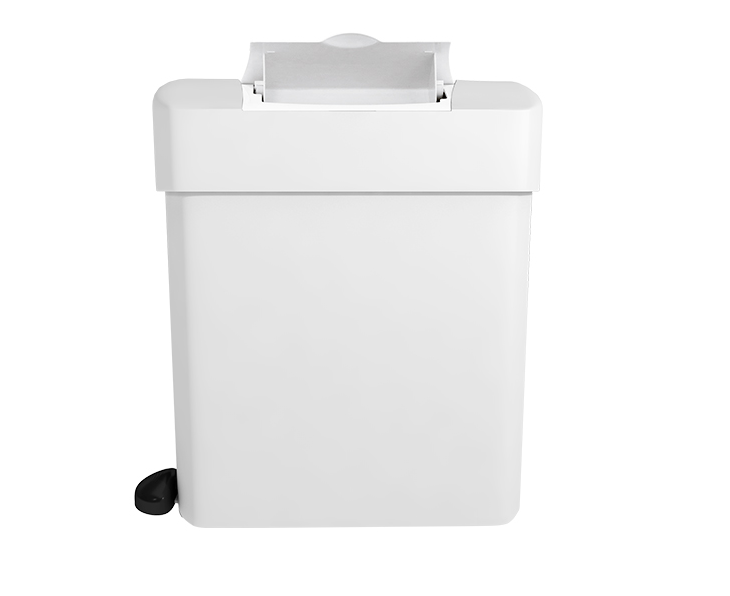
The possible variations that come up are color, capacity, location of the logo, type of lid, surface texture, and compartments for different wastes. Office spaces often require compact bins with minimalist designs, while public areas may need larger containers with clearly marked recycling compartments.
Before beginning a project, the buyer should know whether the changes will be in existing products or require the creation of new tooling, which can lead to higher initial cost.
Understanding OEM and ODM
Typically, OEM manufacturing adheres to the guidelines set by the customer, whereas ODM manufacturing entails product design and structural development. It is important that a dependable trash can manufacturer sets standards for sample approval, mold ownership, packaging, and final inspection.
Sampling before bulk production will help prevent discrepancies in color, size, and functionality of the manufactured products.
4. Sustainability and Long-Term Purchasing Costs
Purchase price is not always a full reflection of product cost. Factors such as durability, upkeep, replacement needs, and shipping efficiency all contribute to its overall value.
Comparing Service Life and Cost
Consider two hypothetical products: one costs $20 and lasts two years, while another costs $30 and lasts four years.
| Cost Factor | Product A | Product B |
| Purchase price | $20 | $30 |
| Assumed service life | 2 years | 4 years |
| Annualized purchase cost | $10 | $7.50 |
In light of the above, Product B is cheaper compared to the purchase price for one year, without considering maintenance and other expenses. The numbers will vary depending on how the product is used and its lifespan.
Packaging efficiency is another factor to consider when purchasing the product in bulk because efficient stacking and appropriate sizing of the boxes will reduce the transportation space. Those concerned with recycled products can ask for evidence.
5. How to Choose a Reliable Trash Can Manufacturer
Choosing a supplier is more than just reading a catalog or comparing quotes. They must check their production capability, consistency, customization services, delivery times, and after-sales service.
When writing a quotation, the following should be provided regarding the product, including dimensions, volume, material, color, packaging, minimum order quantity, and shipping details. All these will make the comparison between suppliers very easy.
In case of a new business relationship, the buyers will need sampling or trial orders to check the quality of the product and packaging performance. There will need to be a system for handling defective products and any production delays.
Conclusion
A good trash can manufacturer has a blend of the right materials, the right production process, the right quality control, and customization. All this is as important to the commercial buyer as the price offered.
Through analysis of the performance of the product, validation of the specifications of the product, and testing of samples prior to mass production, the buyer will be able to make sound purchase decisions.
0