目录
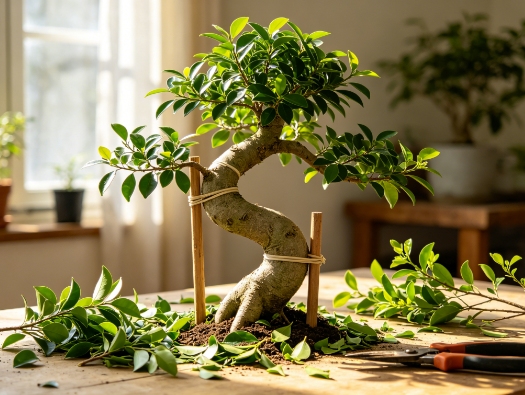
Loropetalum chinense bonsai is a popular ornamental plant admired for its colorful foliage, delicate flowers, and elegant miniature tree structure. Many plant enthusiasts are drawn to it for indoor decoration, especially in apartments or office spaces where outdoor gardening is limited. However, one of the most common concerns is whether a Loropetalum chinense bonsai can survive indoors without direct sunlight. Since light is a key factor in plant growth, understanding its adaptability to indoor environments is essential for maintaining long-term health and appearance.
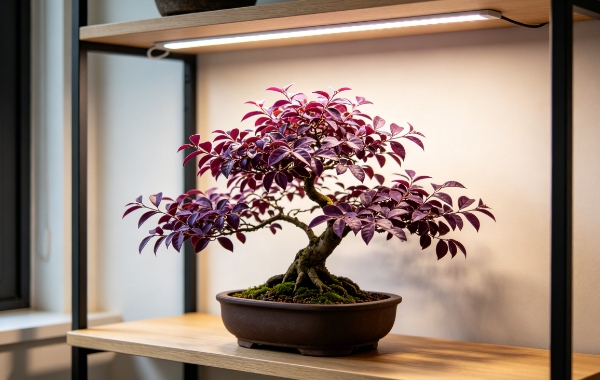
Natural Light Requirements of Loropetalum Chinense Bonsai
Light is one of the most critical factors affecting the survival and growth of this bonsai species.
Preference for bright but indirect sunlight
- Loropetalum chinense bonsai naturally thrives in outdoor environments with strong but filtered sunlight.
- Direct sunlight supports vibrant leaf color and healthy flowering cycles.
- When grown indoors, bright indirect light becomes essential to compensate for the lack of natural exposure.
Impact of insufficient lighting
- Low light conditions may lead to slower growth and weaker branch development.
- Leaf color may fade, especially the deep red or purple tones characteristic of the plant.
- Flowering frequency may decrease significantly without adequate light exposure.
Adaptability to indoor environments
- While not ideal, the plant can survive indoors if light conditions are managed properly.
- It adapts better in rooms with large windows or skylights.
- Growth stability depends heavily on consistent light availability.
These factors show that lighting quality directly determines indoor survival success.
How to Maintain Loropetalum Chinense Bonsai Indoors
Proper care practices can help the plant adapt to environments without direct sunlight.
Artificial lighting support
- LED grow lights can replace natural sunlight when placed at appropriate distances.
- A balanced light spectrum (red and blue light) helps support leaf color and growth.
- Consistent daily lighting schedules improve plant stability over time.
Strategic indoor placement
- Positioning near east- or south-facing windows maximizes available natural light.
- Reflective surfaces can help distribute light more evenly around the plant.
- Avoid placing the bonsai in deep shade areas such as corners or closed rooms.
Rotation and exposure balance
- Regularly rotating the plant ensures even light exposure on all sides.
- Occasional outdoor placement helps restore natural energy cycles.
- Short-term exposure to filtered sunlight can improve overall vitality.
These methods significantly increase the chances of healthy indoor survival.
Watering, Soil, and Humidity Control
Indoor survival is not only about light; environmental balance also plays a major role.
Watering management
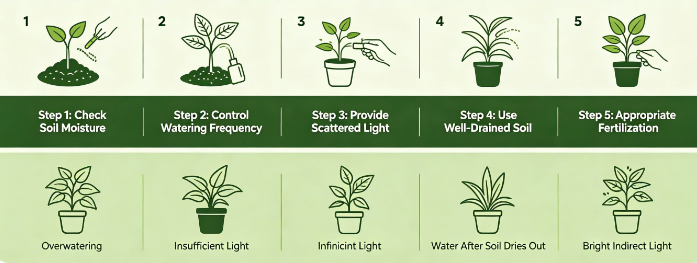
- Overwatering can cause root rot, especially in low-light environments.
- Soil should remain slightly moist but never waterlogged.
- Seasonal adjustments are necessary, with less watering in cooler months.
Soil selection
- Well-draining soil is essential for preventing moisture buildup.
- A mix of organic matter and sand improves root aeration.
- Slightly acidic soil conditions support better nutrient absorption.
Humidity and air circulation
- Moderate humidity helps maintain healthy leaf texture indoors.
- Good airflow prevents fungal diseases and pest buildup.
- Dry indoor air may require occasional misting to balance conditions.
These environmental controls help compensate for reduced natural sunlight.
Growth Limitations Without Direct Sunlight
Although survival is possible indoors, certain limitations should be expected.
- Growth may become slower compared to outdoor cultivation.
- Flowering frequency can decrease or become irregular.
- Branch structure may appear less dense over time.
- Long-term indoor growth without any light supplementation may weaken the plant.
Understanding these limitations helps set realistic expectations for indoor bonsai care.
Conclusion
A Loropetalum chinense bonsai can survive indoors without direct sunlight, but its long-term health depends heavily on how well light and environmental conditions are managed. While it can adapt to indirect light and artificial lighting systems, insufficient brightness may lead to slower growth and reduced flowering. By providing proper light supplementation, balanced watering, suitable soil, and good air circulation, indoor cultivation can be successful and visually rewarding. Ultimately, the key to keeping Loropetalum chinense bonsai healthy indoors lies in mimicking its natural growing environment as closely as possible.
0