目录
The ligustrum tree is a popular landscaping plant known for its rapid growth, dense foliage, and adaptability to various environments. It is widely used in residential gardens, public parks, and commercial landscapes because it can quickly form attractive hedges, privacy screens, and decorative green spaces. Many gardeners choose this plant not only for its appearance but also for its ability to thrive under different climate and soil conditions. However, understanding how fast a ligustrum tree grows and what environmental factors it requires is essential for achieving healthy development and long-term landscape success. Proper care, sunlight, soil quality, and maintenance all play important roles in supporting vigorous growth.
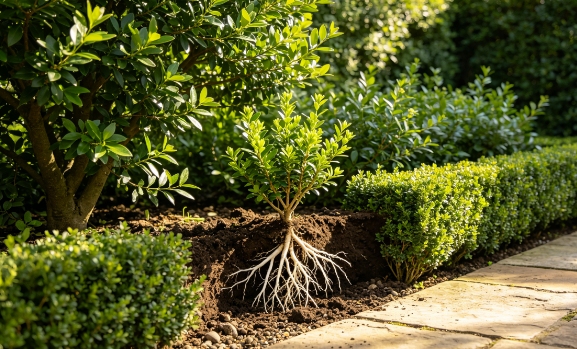
Growth Rate and Development Speed
One of the main reasons the ligustrum tree is highly valued is its fast-growing nature. Compared to many ornamental shrubs and trees, it takes root quickly and forms dense ground cover within a relatively short period.
Several factors contribute to its growth performance:
- Rapid annual growth
Under favorable conditions, a ligustrum tree can grow approximately 1 to 3 feet per year, depending on the variety and climate. - Fast hedge formation
Because of its dense branching habit, it is commonly used for privacy hedges that can become full and compact within just a few growing seasons. - Strong regeneration ability
After pruning, the plant usually recovers quickly and produces fresh new shoots, allowing it to maintain a healthy appearance. - Consistent seasonal growth
During spring and summer, growth activity increases significantly due to warmer temperatures and longer daylight exposure.
This impressive growth rate makes the ligustrum tree an efficient choice for landscaping projects that require quick visual results.
Ideal Sunlight and Temperature Conditions
Sunlight and climate are among the most important environmental factors affecting healthy growth. Although the ligustrum tree is adaptable, it performs best under specific light and temperature conditions.
Sunlight Requirements
- Full sun encourages faster growth and denser foliage production.
- Partial shade is also tolerated, though growth may become less compact.
- Insufficient sunlight can lead to thinner branches and reduced leaf density.
Temperature Preferences
- The plant grows best in moderate to warm climates.
- Many varieties tolerate mild frost and seasonal temperature changes.
- Extreme cold may slow growth or damage young plants.
Air Circulation
- Good airflow around the plant helps reduce moisture-related diseases and supports healthier foliage.
Providing balanced sunlight and stable temperatures greatly improves overall plant vitality and appearance.
Soil and Water Conditions for Healthy Growth
The ligustrum tree is known for its adaptability to different soil types, but proper soil preparation can significantly improve growth speed and plant health.
Important soil and watering conditions include:
- Well-drained soil structure
Although the plant can tolerate different soil compositions, excessive water retention may damage roots and reduce growth quality. - Moderate soil fertility
Nutrient-rich soil supports stronger leaf production and healthier branch development. - Balanced moisture levels
Young plants require regular watering during establishment, while mature plants become more drought-tolerant. - pH flexibility
The ligustrum tree can adapt to slightly acidic or neutral soil conditions, making it suitable for many regions.
These environmental conditions help lay a solid foundation for long-term healthy development.
Importance of Pruning and Maintenance
Although the ligustrum tree is relatively easy to care for, proper maintenance is necessary to control shape, encourage dense growth, and prevent overgrowth.
Key maintenance practices include:
| Maintenance Task | Benefit |
| Regular pruning | Encourages thicker foliage and controlled growth |
| Removing damaged branches | Improves airflow and plant health |
| Seasonal fertilization | Supports vigorous growth during active seasons |
| Weed control around roots | Reduces competition for nutrients and water |
Pruning is especially important because the plant grows rapidly and can become uneven if left unmanaged for long periods. Regular care helps maintain both beauty and structural strength.
Common Challenges That Affect Growth
Even though the ligustrum tree is considered hardy, several environmental and maintenance issues can slow growth or reduce plant quality.
Some common challenges include:
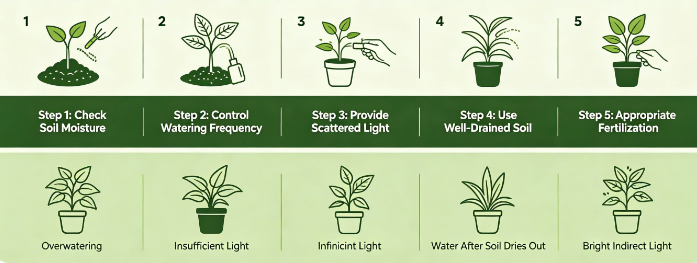
- Overwatering problems
Constantly wet soil may lead to root rot and weakened growth. - Insufficient sunlight exposure
Lack of light often results in sparse foliage and slower development. - Nutrient deficiencies
Poor soil nutrition can cause yellowing leaves and reduced growth activity. - Pest and disease pressure
Aphids, fungal infections, or leaf spot diseases may occasionally affect plant health if not managed properly.
Monitoring these issues early allows gardeners to maintain healthier and faster-growing plants throughout the year.
Conclusion
The ligustrum tree is a fast-growing and highly adaptable plant that performs well in a variety of landscaping environments. With proper sunlight, balanced watering, well-drained soil, and regular maintenance, it can quickly develop into a dense and attractive hedge or ornamental feature. Its strong growth rate, resilience, and low maintenance needs make it a popular choice for both residential and commercial landscapes. By understanding the environmental conditions it requires and addressing potential growth challenges early, gardeners can ensure that the ligustrum tree remains healthy, visually appealing, and long-lasting for many years.
0