目录
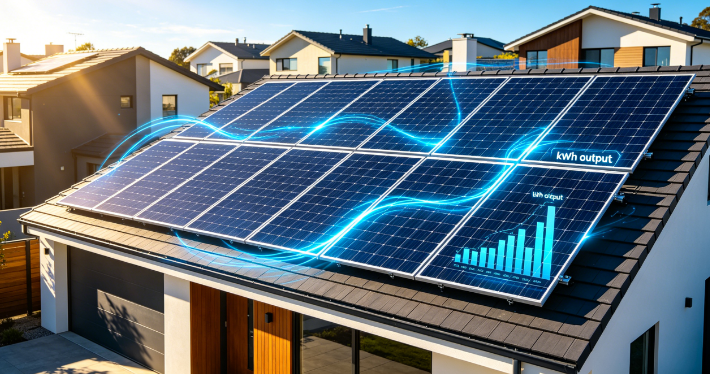
As global energy costs continue to rise, more homeowners are turning to renewable solutions, especially the residential solar panel system, to reduce electricity bills and increase energy independence. A residential solar panel converts sunlight into usable electricity through photovoltaic (PV) cells installed on rooftops or open spaces around a home. However, many homeowners often ask the same key question: how much energy can a residential solar panel actually generate for a typical household? The answer depends on several important factors, including system size, sunlight availability, installation angle, and household energy consumption patterns.
Factors That Determine Energy Output
The energy generation capacity of a residential solar panel system is not fixed and varies widely based on environmental and technical conditions. Understanding these factors helps homeowners estimate realistic performance:
- System capacity (kW rating)
The total installed capacity directly affects energy output. For example, a 5kWresidential solar panel system can typically generate around 20–25 kWh per day under good sunlight conditions. Larger systems naturally produce more electricity, making them suitable for households with higher energy demands. - Sunlight exposure and geographic location
Homes located in sunny regions, such as southern California, receive more peak sunlight hours compared to those in cloudy or northern regions. A residential solar panel in high-sunlight areas can produce significantly more annual energy compared to the same system installed in low-sunlight climates. - Roof orientation and tilt angle
The direction and angle of installation play a crucial role. South-facing roofs (in the Northern Hemisphere) generally maximize exposure, while suboptimal angles can reduce efficiency by 10%–25%.
Average Energy Production of Residential Solar Panels
To better understand real-world performance, it is helpful to look at average output estimates for a typical residential solar panel system:
- Small household system (3kW–4kW)
These systems usually generate about 12–18 kWh per day. They are suitable for small homes or apartments with moderate electricity consumption, covering basic needs such as lighting, refrigeration, and small appliances. - Medium household system (5kW–6kW)
This is the most common residential setup, producing approximately 20–30 kWh daily. It can power most household devices, including air conditioning, washing machines, and entertainment systems. - Large residential system (7kW–10kW)
Larger systems can generate 30–50 kWh or more per day, often exceeding household demand. Excess energy can be stored in batteries or fed back into the grid through net metering programs.
Key Components That Influence Efficiency
Beyond size and sunlight, the efficiency of a residential solar panel system is also affected by its components and maintenance:
- Solar panel efficiency rating
High-efficiency panels (20%–23%) convert more sunlight into electricity compared to standard panels. Choosing higher-grade modules can significantly increase overall output without expanding installation space. - Inverter performance
The inverter converts DC electricity into usable AC power. A high-quality inverter ensures minimal energy loss during conversion, directly improving system efficiency. - Shading and environmental conditions
Even partial shading from trees, chimneys, or nearby buildings can reduce output. Regular cleaning and proper site selection help maintain consistent performance.
Energy Usage and Home Consumption Balance
Understanding energy generation is only part of the equation; matching it with household consumption is equally important:
- Daily energy usage comparison
An average household in the U.S. consumes around 25–30 kWh per day. A properly sized residential solar panel system can offset 70%–100% of this usage, depending on location and system design. - Seasonal variations in production
Solar energy output tends to be higher in summer and lower in winter. Homeowners should account for seasonal fluctuations when planning system capacity. - Battery storage integration
Adding energy storage allows excess electricity generated during the day to be used at night, improving overall energy independence and reducing reliance on the grid.
Conclusion
The amount of energy a residential solar panel can generate for a home depends on multiple interconnected factors, including system size, location, installation design, and equipment quality. On average, a properly designed residential solar system can significantly reduce or even eliminate household electricity bills while promoting sustainable energy use. Although exact output varies from home to home, most residential systems are capable of meeting a substantial portion of daily energy needs. By carefully evaluating energy consumption patterns and choosing the right system configuration, homeowners can maximize the long-term benefits of solar energy and achieve greater energy independence.
0