目录
Why Corrosion Protection Is Crucial for Ground Anchor Bolts
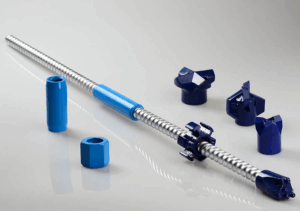
Ground anchor bolts are critical components for securing structures to their foundations. Over time, these bolts are exposed to harsh environmental conditions like moisture, salt, and fluctuating temperatures. Without proper corrosion protection, even the highest-quality bolts can weaken, leading to compromised structural integrity and costly repairs.
For homeowners, contractors, and builders, understanding how to prevent corrosion in ground anchor bolts is essential to ensure long-lasting performance and safety.
Understanding Corrosion Risks for Ground Anchor Bolts
How Corrosion Impacts Structural Safety
Corrosion occurs when metal reacts with oxygen and moisture, gradually degrading its strength. In the case of ground anchor bolts, this process can:
-
Reduce load-bearing capacity.
-
Cause bolts to seize, making maintenance difficult.
-
Lead to premature failure in critical structures.
Environmental Factors That Accelerate Corrosion
Several factors influence how quickly ground anchor bolts corrode:
-
High humidity and frequent rain increase moisture exposure.
-
Saltwater environments (coastal regions) accelerate oxidation.
-
Soil acidity can attack the metal below ground level.
-
Temperature swings cause expansion and contraction, creating micro-cracks for moisture ingress.
Corrosion Resistance Strategies for Ground Anchor Bolts
1. Choosing Corrosion-Resistant Materials
One of the most effective ways to prevent corrosion is to select bolts made from materials designed to withstand harsh environments:
-
Stainless steel bolts resist rust and are ideal for coastal or marine applications.
-
Hot-dip galvanized bolts provide a protective zinc coating that delays corrosion.
-
Epoxy-coated bolts offer an additional barrier against moisture and chemical exposure.
2. Applying Protective Coatings
Even if using standard steel bolts, applying protective coatings enhances resistance:
-
Zinc coatings act as sacrificial layers, corroding first to protect the steel underneath.
-
Polyurethane or epoxy paints seal the bolt from air and water exposure.
-
Bituminous coatings are often used for buried anchor bolts to resist soil chemicals.
3. Installing Proper Drainage Systems
Standing water near foundations accelerates corrosion. To counteract this:
-
Ensure the surrounding area slopes away from the foundation.
-
Install drainage channels or gravel beds to divert water.
-
Avoid leaving bolts exposed in puddle-prone zones.
Maintenance Practices for Long-Term Corrosion Resistance
Regular Inspections and Cleaning
Frequent checks can detect early signs of rust or coating damage. Look for:
-
Discoloration or flaking on bolt surfaces.
-
Cracks in protective coatings.
-
Signs of moisture accumulation around bolts.
Retouching Damaged Coatings
If you notice scratches or chips in protective layers:
-
Clean the area thoroughly.
-
Reapply the original coating material, such as epoxy or paint.
-
Allow adequate drying or curing before exposing the bolts to moisture.
Replacing Severely Corroded Bolts
In cases of advanced corrosion where structural integrity is at risk, replacement may be the only safe option. Work with professionals to select upgraded ground anchor bolts with superior corrosion resistance.
Common Mistakes That Lead to Premature Corrosion
1. Ignoring Local Environmental Conditions
Using standard bolts in a coastal or highly humid region often leads to rapid degradation.
2. Poor Installation Techniques
Improper embedment leaves gaps where water can collect, accelerating corrosion.
3. Lack of Routine Maintenance
Even corrosion-resistant bolts require periodic inspection to remain effective.
Advanced Technologies for Corrosion Protection
Recent innovations are making corrosion resistance even more reliable:
-
Duplex coatings combine galvanization and powder coatings for double protection.
-
Cathodic protection systems use sacrificial anodes to prevent oxidation.
-
Smart monitoring sensors embedded in foundations provide real-time alerts about moisture levels and bolt integrity.
These technologies are particularly valuable for critical infrastructure and high-investment properties.
Why Consumers Should Prioritize Corrosion Resistance
For property owners and builders, corrosion-resistant ground anchor bolts are not just an option—they’re a necessity. Investing in quality materials and protective measures saves money in the long run by reducing repairs, extending the lifespan of structures, and ensuring compliance with safety standards.
Conclusion: Protect Your Investment With Corrosion-Resistant Ground Anchor Bolts
Ground anchor bolts are only as reliable as their resistance to environmental damage. By choosing the right materials, applying proper coatings, and committing to regular maintenance, you can significantly extend their lifespan and safeguard your structure.
Whether you’re constructing a new building or maintaining an existing one, paying attention to corrosion resistance ensures your foundation remains secure and your investment protected for decades to come.
0