目录
With the growing popularity of interior greenery, garden landscaping, and Eastern horticultural aesthetics worldwide, the S-shaped bonsai tree has become a highly sought-after product in the online bonsai market. The elegant S-shaped trunk represents the rhythm of natural growth and the passage of time, making it both a decorative plant and an artistic expression. However, since online shopping does not allow buyers to inspect the tree in person, understanding what to look for before purchasing is essential to choosing a high-quality S-shaped bonsai tree.
1. Tree Shape and Artistic Structure
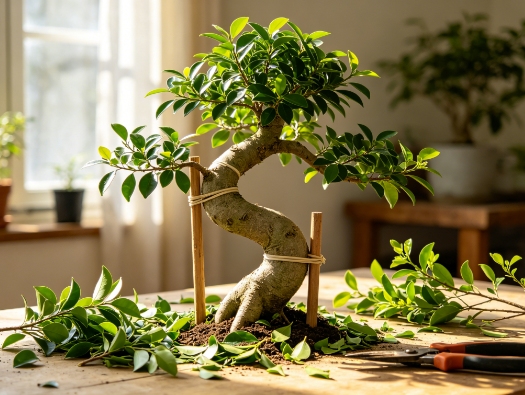
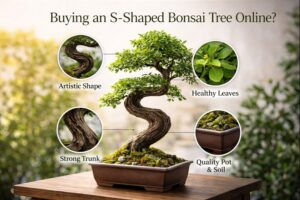
When buying an S-shaped bonsai tree, the trunk shape and overall structure are the most important visual and artistic criteria. A high-quality S-shaped bonsai should display smooth, natural curves rather than sharp bends or overly symmetrical lines that suggest forced shaping. The trunk should flow organically from the base upward, with each curve transitioning gradually into the next.
From a proportional perspective, the trunk should be thicker at the base and taper naturally toward the top, creating both visual stability and elegance. The S-shape should also work in harmony with the branch structure, rather than appearing isolated from the canopy. By carefully examining product photos or videos, buyers can assess curve continuity, balance, and overall movement—key indicators of the artistic value and long-term appeal of an S-shaped bonsai tree.
2. Tree Species and Plant Health Condition
Different tree species behave very differently when trained into an S-shaped bonsai tree, affecting appearance, longevity, and care requirements. When shopping online, buyers should evaluate both species suitability and plant health through the following aspects:
- Species suitability and structural stability
Common species used for S-shaped bonsai trees include ficus, podocarpus, juniper, and Chinese elm. These trees have strong yet flexible trunks that can maintain an S-shaped form over time without reverting or deforming. - Leaf condition and growth quality
Healthy leaves should appear evenly colored, vibrant, and firm to the touch. Excessive yellowing, dryness, or sparse foliage often indicates stress related to watering, nutrients, or light exposure. - Trunk and branch condition
The trunk should feel solid and show no signs of rot, cracking, mold, or disease. Branches should be well-distributed rather than clustered on one side, which can disrupt balance and complicate future pruning. - Overall vitality and resilience
A healthy S-shaped bonsai tree generally appears full, lively, and well-established. Strong vitality improves the tree’s ability to recover from shipping stress and adapt to a new environment.
3. Pot Selection and Overall Visual Balance
A truly refined S-shaped bonsai tree is not just about the plant itself, but about the harmony between the tree and its pot. The pot acts as both a visual foundation and a functional container, enhancing the elegance of the S-shaped trunk. Visually, the pot’s color and texture should complement the bark and foliage without overpowering them. Structurally, the pot must be appropriately sized—large enough to support healthy root growth, yet compact enough to preserve the bonsai’s refined proportions. Proper drainage is also essential, as it directly affects the long-term health of the S-shaped bonsai tree. A well-matched pot elevates both aesthetic appeal and practical usability.
4. Seller Professionalism and Shipping Protection
Because an S-shaped bonsai tree is a shaped, living product, seller expertise plays a major role in purchase success. When buying online, buyers should assess seller reliability based on the following factors:
- Clarity and completeness of product information
Professional sellers usually provide detailed specifications such as tree height, pot size, approximate age, and recommended care conditions, helping buyers set realistic expectations. - Authenticity of visual presentation
Real, unedited photos or videos of the actual S-shaped bonsai tree are far more trustworthy than overly stylized images. Authentic visuals reflect the tree’s true condition. - Packaging and shipping methods
Experienced sellers secure the trunk to prevent movement, protect branches and foliage, and maintain root moisture during transit to minimize stress and damage. - After-sales support and guarantees
Clear policies regarding damage compensation, replacement, or customer support demonstrate accountability and professionalism.
Conclusion
Overall, purchasing an S-shaped bonsai tree online involves much more than simply selecting the most attractive image or the lowest price available. Because each bonsai is a living plant and a handcrafted piece of art, buyers need to carefully evaluate multiple factors, including the artistic structure of the trunk, the suitability and health of the tree species, the harmony between the tree and its pot, and the professionalism of the seller. Paying attention to these details can greatly reduce potential risks associated with online purchases.
When chosen thoughtfully, a high-quality S-shaped bonsai tree offers lasting value beyond decoration. It can serve as a calming visual focal point, enhance the atmosphere of a living or working space, and reflect an appreciation for natural form, patience, and craftsmanship. With proper selection and care, an S-shaped bonsai tree becomes a long-term companion that continues to grow in beauty and character over time.
0