目录
One of the most popular and adaptable food colorings available worldwide is caramel color. This addition, which has a rich brown color, is used in a variety of products, including baked goods and beverages. Caramel color is used extensively, but it does much more than only color food and beverages. This article will define caramel hue, and discuss its manufacturing process, applications, and safety concerns.
What is Caramel Color?
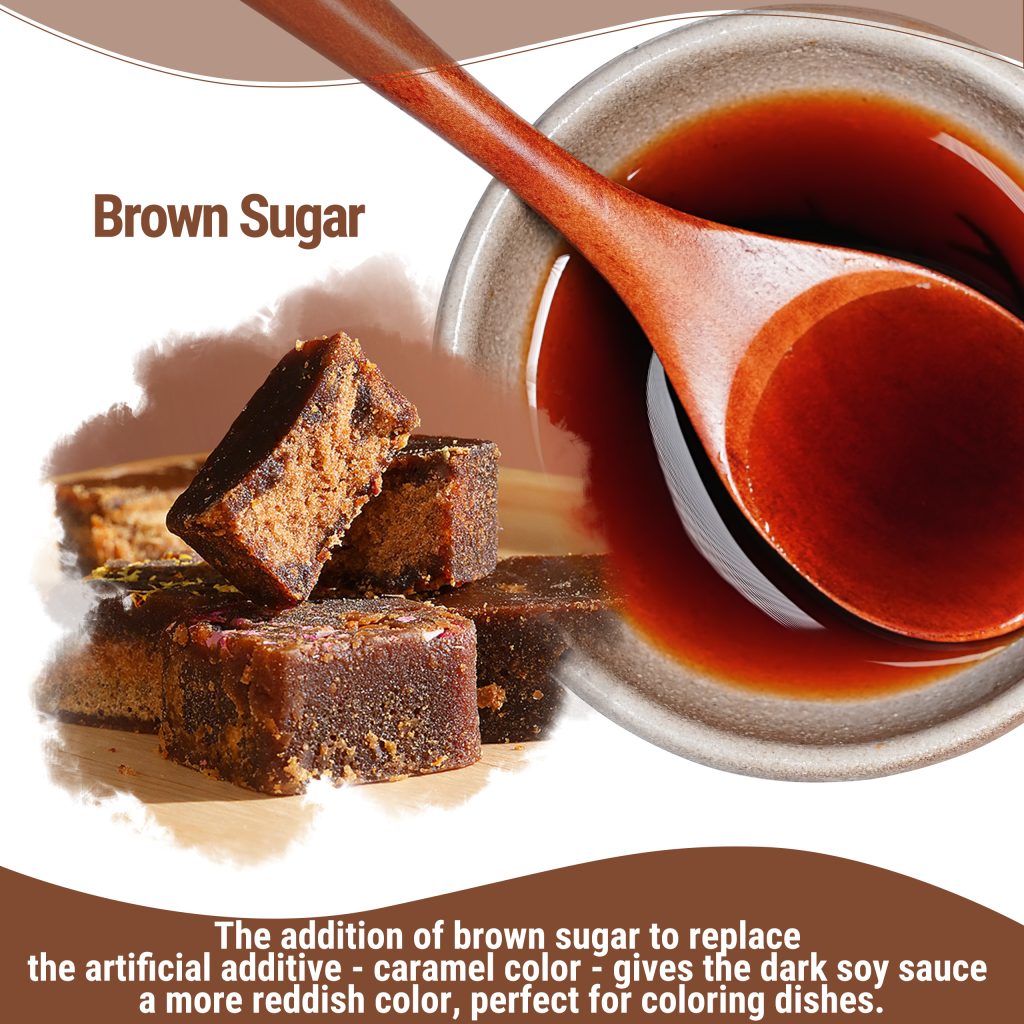
A water-soluble food coloring called caramel color gives a range of food and drink items a brown tint. It is produced by carefully heating sugar, a procedure called caramelization. This procedure creates a distinctive caramel color by heating sugars like glucose, sucrose, or fructose, sometimes in combination with acids, alkalis, or salts.
It is crucial to understand that caramel color is not the same as caramel, the candy used in candies and desserts. Unless used in flavor-infused forms, caramel color is usually just utilized for coloring and does not impart the sweet, toffee-like flavor of conventional caramel.
Types of Caramel Color
Caramel color can be divided into four primary classes, each of which has a different purpose and production method. These classes have various functions and are governed by food authorities across the globe:
- Class I – Plain Caramel (E150a):
This is the most basic type of caramel color, made by heating sugar without the addition of acids or alkalis. It is frequently called a “natural” caramel hue because not much processing is done to it. Class I caramel color is commonly utilized in sauces and alcoholic beverages. - Class II – Caustic Sulfite Caramel (E150b):
made by boiling sugar and adding sulfite components. It is utilized in goods like beer and various soft beverages, especially when a paler color is preferred. - Class III – Ammonia Caramel (E150c):
Sugar and ammonia compounds are heated to create ammonia caramel, which is frequently found in spices, soy sauce, and baked goods. - Class IV – Sulfite Ammonia Caramel (E150d):
In this class, the caramelization process uses both sulfite and ammonia molecules. It creates the deepest caramel color and is frequently used in sauces, cola drinks, and other food items that need a deep, uniform brown color.
Uses of Caramel Color
The main purpose of caramel color is to add color, however because of its adaptability, it can also be utilized in a variety of sectors.
Beverages:
Many soft drinks, especially colas, contain caramel, which gives them their recognizable rich brown hue. Additionally, beer, whiskey, and other alcoholic beverages contain it.
Baked Goods:
Caramel color improves the appearance of the final product and helps generate a golden-brown or dark crust in baked goods such as bread, cookies, and pastries.
Sauces and Condiments:
Caramel color is added to give items like ketchup, gravy, barbecue sauce, and soy sauce a richer, more eye-catching color.
Snack Foods:
Caramel color gives chips, crackers, and other snacks a rich, enticing color that denotes flavor and quality.
Confectionery and Dairy Products:
Caramel color is occasionally employed to lend a brown tinge to candy coatings, chocolates, and even dairy-based items like ice cream and custards without drastically changing the flavor.
Conclusion
A crucial food addition, caramel color has many uses, chief among them giving a range of items their distinctive brown color. It is essential due to its versatility in a variety of industries, including baked goods and beverages. Regulators continue to monitor and guarantee the safe use of some substances, such as 4-MEI, in food and beverages despite emerging concerns about them.
0