目录
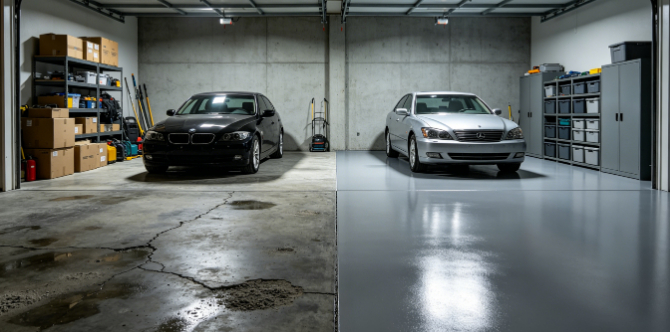
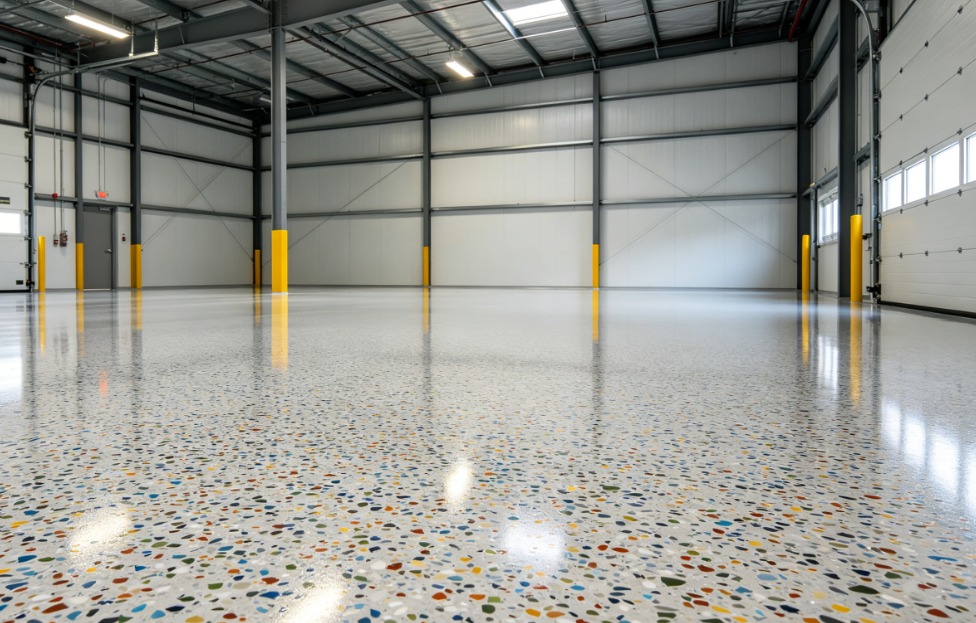
Epoxy flake floor coating is widely used in garages, commercial facilities, showrooms, and industrial environments due to its durability, decorative appearance, and resistance to wear. This system combines epoxy resin with decorative vinyl flakes to create a textured, multi-layered surface that enhances both performance and aesthetics. One of the most common questions property owners ask is how long epoxy flake floor coating can last. In general, a properly installed epoxy flake floor coating can last between 10 and 20 years, and in some residential settings even longer. However, its lifespan depends on several factors, including installation quality, environmental conditions, usage intensity, and ongoing maintenance.
Structure and Material Quality Impact on Lifespan
The durability of epoxy flake floor coating is closely related to its layered system and material composition.
- Primer layer bonding strength
The base primer penetrates the concrete surface and creates a strong bond. A well-applied primer prevents delamination and significantly extends the life of the coating. - Epoxy base coat thickness
A thicker epoxy base layer provides better resistance to mechanical stress, impact, and heavy traffic, reducing wear over time. - Decorative flake broadcast density
Full or partial flake coverage influences both durability and protection, as flakes add an extra layer of reinforcement to the surface. - Topcoat protection layer
A high-quality polyaspartic or polyurethane topcoat protects against UV rays, chemicals, and abrasion, playing a key role in long-term performance.
Environmental Factors That Affect Durability
Even though epoxy flake floor coating is designed for resilience, environmental conditions still influence its lifespan.
- UV exposure in open spaces
Prolonged sunlight can cause fading or yellowing if UV-resistant topcoats are not used, especially in outdoor or semi-exposed areas. - Temperature fluctuations
Repeated expansion and contraction due to temperature changes can create stress within the coating layers over time. - Moisture and humidity levels
High moisture levels in the substrate or environment can weaken adhesion and lead to premature failure. - Chemical exposure
Areas exposed to oils, solvents, or harsh chemicals may experience faster wear if not properly sealed.
Usage Intensity and Traffic Conditions
The type and level of usage directly determine how long epoxy flake floor coating will maintain its performance.
- Residential garage use
In low-traffic environments, such as home garages, the coating can last well beyond 15–20 years with minimal wear. - Commercial and retail spaces
Moderate foot traffic and occasional equipment movement may reduce lifespan slightly but still allow for long-term use. - Industrial environments
Heavy machinery, constant movement, and high loads can accelerate wear, requiring more frequent maintenance or recoating. - Impact and abrasion factors
Dropping heavy objects or dragging equipment across the surface can shorten the coating’s lifespan if protective measures are not taken.
Maintenance Practices That Extend Lifespan
Proper maintenance plays a crucial role in maximizing the longevity of epoxy flake floor coating.
- Regular cleaning routines
Removing dirt, debris, and chemical spills prevents surface degradation and maintains the coating’s integrity. - Periodic inspection and repairs
Identifying minor cracks or worn areas early allows for timely repairs before damage spreads. - Reapplication of the topcoat
In high-traffic areas, applying a new topcoat every few years can significantly extend the overall lifespan. - Use of protective measures
Placing mats under heavy equipment or using soft wheels can reduce surface stress and wear.
Signs That Recoating May Be Needed
Over time, even durable coatings show signs of aging that indicate maintenance or replacement is necessary.
- Surface dullness or fading
Loss of gloss may indicate topcoat wear, reducing both appearance and protection. - Peeling or delamination
Areas where the coating lifts from the substrate suggest bonding issues that need immediate attention. - Visible scratches and wear patterns
High-traffic zones may show signs of abrasion, signaling the need for resurfacing. - Reduced chemical resistance
If the surface begins to absorb stains or chemicals, the protective layer may be compromised.
Conclusion
Epoxy flake floor coating is a long-lasting and reliable flooring solution that can provide 10 to 20 years of service or more when properly installed and maintained. Its lifespan depends on factors such as material quality, environmental conditions, usage intensity, and maintenance practices. By ensuring proper installation, using high-quality materials, and following regular maintenance routines, property owners can maximize the durability and performance of epoxy flake floor coating. This makes it an excellent investment for both residential and commercial flooring applications where strength, appearance, and longevity are essential.
0