目录
Choosing the right MTP trunk cable is critical for ensuring the efficiency, reliability, and scalability of modern high-speed networks. While these cables offer high-density fiber connections and faster deployment, improper selection can lead to performance issues, increased costs, and future maintenance problems. In this article, we will explore common mistakes to avoid when selecting an MTP trunk cable and provide practical guidance for making the right choice.
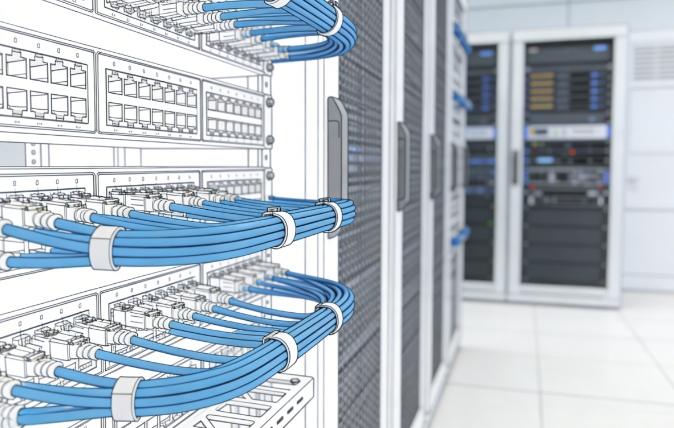
Ignoring Cable Compatibility and Network Requirements
- Mismatch with existing infrastructure– Selecting an MTP trunk cable that is not compatible with your current patch panels, transceivers, or connectors can cause signal loss or connectivity issues. Always check connector types (e.g., MPO/MTP) and fiber counts before purchasing.
- Overlooking network speed requirements– High-speed networks require cables that meet specific bandwidth standards. Using a cable rated for lower speeds can create bottlenecks and reduce overall network performance.
- Neglecting future scalability– Networks evolve, and failing to plan for higher fiber counts or additional connections can make upgrades expensive and disruptive.
Overlooking Cable Quality and Standards
- Using low-quality materials– Cheap MTP trunk cables may use inferior fiber or connectors that degrade signal integrity over time. Prioritize cables with tested optical performance and low insertion loss.
- Ignoring industry standards– Cables not compliant with ISO/IEC or TIA/EIA standards can result in compatibility and safety issues. Verify that the cable meets recognized standards for network reliability.
- Neglecting testing reports– Always request detailed test reports, such as insertion loss and return loss, to ensure the cable performs as promised.
Neglecting Proper Installation Considerations
- Skipping cable management planning– Poor planning can lead to tangled or bent cables, which negatively impact performance. Consider cable trays, racks, and bend radius limits.
- Underestimating installation complexity– High-density MTP trunk cables require precise alignment and careful handling. Improper installation can result in connector damage or signal degradation.
- Ignoring environmental factors– Temperature, humidity, and vibration can affect cable performance. Ensure the chosen cable is suitable for your operating environment.
Failing to Consider Cost vs. Long-Term Value
- Focusing only on upfront cost– Selecting the cheapest MTP trunk cable may save money initially, but can lead to frequent replacements and network downtime.
- Ignoring total cost of ownership– Factor in installation time, maintenance, and potential future expansion. High-quality cables may cost more upfront but provide better reliability and lower long-term expenses.
- Skipping warranty and support– Vendors offering comprehensive warranties and technical support reduce the risk of costly failures.
Overlooking Vendor Reputation and Support
- Choosing unknown suppliers– Unknown or unreliable suppliers may provide inconsistent cable quality. Research vendor reviews and certifications before purchasing.
- Neglecting technical support– Selecting an MTP trunk cable vendor without proper support can make troubleshooting and future upgrades difficult. Prioritize suppliers with proven experience and responsive service.
- Ignoring customization options– Some networks require custom fiber counts or lengths. Vendors offering flexible options ensure the cable fits your network requirements precisely.
Conclusion: Make Informed Choices for Reliable Networks
Selecting the right MTP trunk cable requires careful consideration of compatibility, quality, installation requirements, cost, and vendor reliability. Avoiding common mistakes—such as ignoring network requirements, choosing low-quality materials, or overlooking vendor support—ensures a stable, scalable, and efficient network. By planning and making informed decisions, you can maximize the performance of your high-density fiber infrastructure while minimizing future maintenance and upgrade costs.
0