目录
Stainless steel servo motors are known for their durability, resistance to corrosion, and ability to function in demanding environments. These characteristics make them ideal for a range of industrial and commercial applications, from robotics to automation. However, one common question that arises when considering these motors is: How long do stainless steel servo motors typically last?
The lifespan of stainless steel servo motors depends on several factors, including the quality of the motor, the environment in which it operates, and the level of maintenance it receives. In this article, we will explore the typical lifespan of these motors and discuss the key factors that affect their durability.
1. Average Lifespan of Stainless Steel Servo Motors
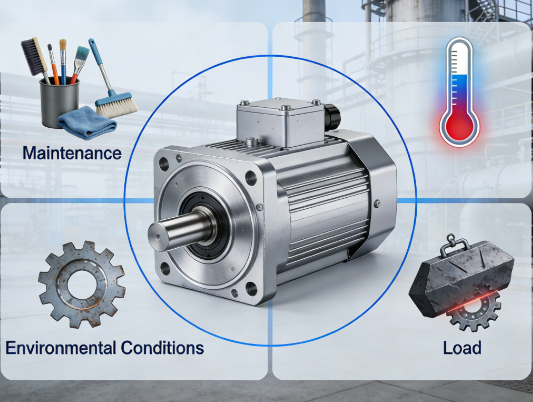
On average, stainless steel servo motors are designed to last anywhere between 15 and 20 years, depending on their usage and maintenance. This is significantly longer than many other types of motors, thanks to the corrosion-resistant properties of stainless steel, which allow them to perform well in harsh conditions.
- High-Quality Manufacturing: Motors that are manufactured to higher standards and with quality materials tend to have longer service lives.
- Operating Conditions: Motors used in relatively stable and controlled environments will generally last longer than those in harsh or fluctuating conditions.
2. Environmental Factors That Affect Lifespan
The environment in which a stainless steel servo motor operates can have a significant impact on its lifespan. Factors like temperature, humidity, exposure to chemicals, and dust can all contribute to the wear and tear of the motor.
- Temperature Extremes: Operating in environments with high or fluctuating temperatures can cause overheating, which may lead to premature wear and damage to the motor’s components.
- Exposure to Corrosive Elements: While stainless steel is corrosion-resistant, exposure to extreme corrosive elements like certain chemicals can still degrade the motor over time.
- Dust and Dirt: Motors operating in dusty or dirty environments are more likely to experience internal contamination, which can affect performance and longevity.
3. Importance of Regular Maintenance
Proper maintenance is one of the most important factors in extending the life of stainless steel servo motors. Regular inspections, cleaning, and lubrication can prevent common issues such as overheating, wear on bearings, and dirt accumulation.
- Lubrication: Ensuring that the motor’s moving parts are properly lubricated can prevent excessive friction and reduce wear and tear.
- Cleaning: Regular cleaning helps remove dust and debris that could damage the motor’s components.
- Inspection: Periodic inspections for signs of wear, corrosion, or damage can help identify potential issues before they lead to failure.
4. The Role of Load and Usage Frequency
The way a stainless steel servo motor is used plays a critical role in determining how long it lasts. Motors that are frequently run at maximum load or in high-demand applications will experience more wear than those that are used less frequently or under lighter loads.
- Operating Under Load: Motors that are constantly working under heavy loads or near their maximum capacity will generally experience a shorter lifespan.
- Frequency of Use: Motors that run frequently or for extended periods of time are more likely to experience wear and tear compared to those that are used intermittently.
5. Quality of Installation and Integration
The installation process and how well the motor is integrated into the overall system can also influence its lifespan. A poorly installed motor or improper system integration can lead to stress, misalignment, and increased wear, all of which can reduce the motor’s service life.
- Alignment and Mounting: Proper alignment ensures that the motor’s components are not subjected to unnecessary strain.
- System Compatibility: Ensuring that the servo motor is compatible with the overall system can prevent operational inefficiencies and reduce unnecessary stress on the motor.
Conclusion
In general, stainless steel servo motors can last between 15 and 20 years with proper maintenance and under favorable operating conditions. Their longevity can be influenced by environmental factors, the quality of installation, how frequently and heavily they are used, and most importantly, the level of regular maintenance they receive.
To maximize the lifespan of a stainless steel servo motor, it’s essential to perform regular maintenance, ensure proper installation, and operate the motor under optimal conditions. By considering these factors, businesses can ensure that their investment in stainless steel servo motors provides long-term value and reliable performance.
0