目录
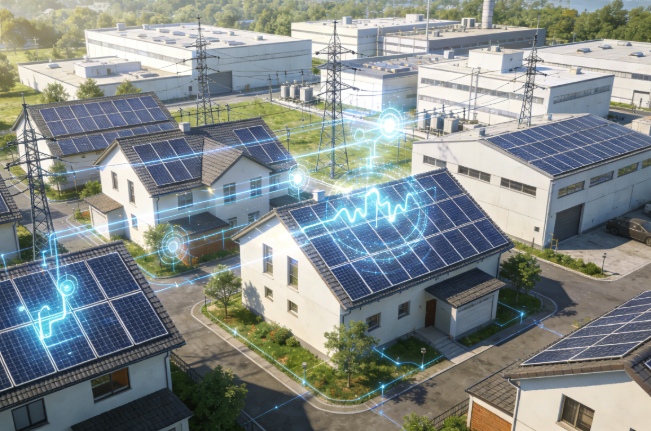
Distributed PV generation is transforming the way homes and businesses produce and consume electricity. By installing solar panels close to where energy is used, such as rooftops or commercial facilities, users can generate power locally, reduce reliance on the grid, and optimize energy usage. This decentralized approach offers financial, operational, and environmental benefits, making it an increasingly popular choice for residential and commercial energy consumers. The following sections will explore its main advantages in detail.
Significant Cost Savings on Energy Bills
Distributed PV generation helps reduce electricity costs through multiple mechanisms:
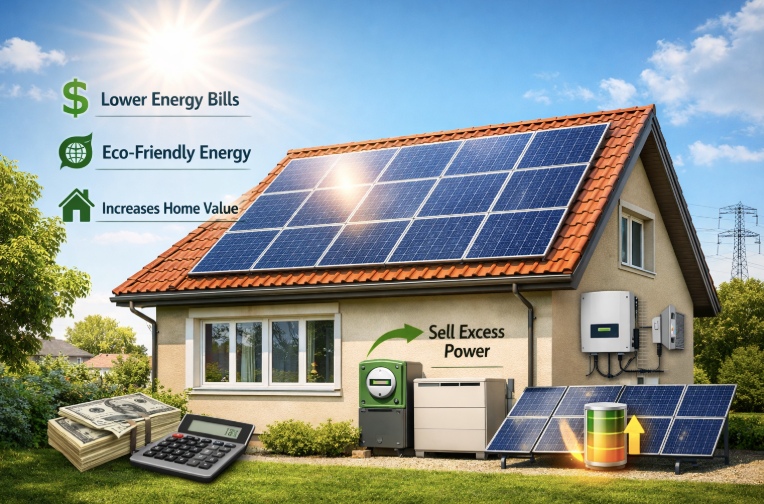
- Reduced Grid Consumption: Electricity produced on-site allows homeowners and businesses to rely less on the utility grid. This is particularly valuable during peak hours when electricity prices can spike significantly. By generating power locally, users can avoid high peak rates and reduce monthly electricity bills substantially.
- Net Metering Opportunities: Many regions support net metering programs, enabling users to sell excess electricity back to the grid. This not only generates additional revenue but also ensures that no energy goes to waste. Over time, these small returns can accumulate, further improving the financial feasibility of distributed PV generation
- Long-Term Investment Payback: While the initial investment in solar panels and installation can be considerable, distributed PV generation often pays for itself within a few years through energy savings. The combination of reduced electricity costs, net metering income, and potential government incentives ensures that users see a strong return on investment over the system’s lifespan.
- Business Operational Savings: For commercial facilities, reducing electricity costs has a direct impact on operational budgets. Savings on monthly energy bills free up capital that can be redirected toward business expansion, equipment upgrades, or employee initiatives. Large-scale installations in factories, offices, or retail spaces can generate tens of thousands of dollars in annual savings.
Enhanced Energy Efficiency
Distributed PV generation improves overall energy efficiency in several ways:
- Minimized Transmission Losses: Local generation reduces the energy lost during long-distance transmission from centralized power plants. In traditional grids, 5–10% of electricity can be lost during transport. Distributed PV generation ensures that most of the electricity produced is immediately available for consumption, improving system efficiency.
- Smart Energy Management: Modern systems integrate smart inverters, sensors, and monitoring platforms, allowing users to track energy production in real time. This enables strategic energy usage, such as operating high-consumption appliances during peak solar generation hours, which maximizes self-consumption and reduces dependency on the grid.
- Battery Storage Integration: By combining solar panels with battery storage, surplus energy generated during sunny periods can be stored for nighttime or cloudy-day use. This ensures that energy is used when needed, reducing reliance on fossil-fuel-generated electricity and improving overall system efficiency.
- Reduced Wasted Energy: Businesses and homeowners can better align energy consumption with production, minimizing wasted electricity. Facilities can operate more efficiently, and homeowners can reduce unnecessary grid usage, ensuring that distributed PV generation contributes fully to energy efficiency goals.
Environmental Advantages and Sustainability
Adopting distributed PV generation promotes sustainability through multiple factors:
- Reduced Carbon Emissions: Generating electricity locally using solar energy reduces the need for fossil-fuel power generation, directly lowering greenhouse gas emissions. This is a critical step in mitigating climate change and reducing carbon footprints for both homes and businesses.
- Air Pollution Reduction: Beyond carbon, distributed PV generation limits the release of pollutants such as sulfur dioxide, nitrogen oxides, and particulate matter, which improves local air quality and benefits public health.
- Support for Corporate Sustainability Goals: Businesses adopting distributed PV generation can align with sustainability certifications and ESG (Environmental, Social, Governance) initiatives. This not only enhances corporate reputation but can also attract environmentally conscious clients and investors.
- Promotion of Green Practices: Implementing solar energy often encourages complementary measures such as energy-efficient appliances, LED lighting, and advanced energy management systems, creating a broader culture of sustainability.
Increased Energy Independence and Reliability
Distributed PV generation enhances energy security and reliability through:
- Reduced Grid Dependence: Local generation mitigates the impact of grid outages, voltage fluctuations, and peak load stress. Homes and businesses can continue operating independently even during temporary utility interruptions.
- Uninterrupted Power Supply: Critical systems, appliances, and operations remain functional during peak demand periods or emergencies, reducing the risk of downtime for businesses or inconvenience for households.
- Battery Storage Benefits: Excess solar energy can be stored and deployed when needed, providing reliable backup power. This is especially important for businesses requiring continuous operation or homeowners seeking energy security during storms or blackouts.
- Operational Continuity for Businesses: Avoiding power disruptions helps prevent financial losses caused by halted production, refrigeration failure, or service interruptions. Reliable energy supply also boosts confidence in adopting more technology-dependent operations.
Flexibility, Scalability, and Adaptability
Distributed PV generation systems are highly adaptable and future-ready:
- Scalable Installations: Homeowners can begin with a small rooftop system and expand over time, while businesses can install large solar arrays tailored to operational needs.
- Modular System Design: Systems can be customized in capacity, layout, and integration, ensuring optimal use of available space while meeting energy consumption goals.
- Integration with Smart Grids: Distributed PV systems can participate in demand response programs, feeding energy back into the grid when it is needed most, improving both local and overall grid efficiency.
- Future-Proof Solutions: Solar technology continues to advance, and modular distributed PV generation systems can be upgraded with improved panels, inverters, and storage solutions to keep pace with evolving energy requirements.
Conclusion
Distributed PV generation offers homes and businesses a wide array of benefits. From reducing energy costs and enhancing efficiency to supporting sustainability and ensuring energy reliability, it represents a practical and forward-looking solution for modern energy challenges. Its flexibility, scalability, and integration with smart energy management and storage systems make it a strategic investment for any energy-conscious user. As adoption expands, distributed PV generation will play an increasingly vital role in creating a sustainable, efficient, and resilient energy landscape.
0