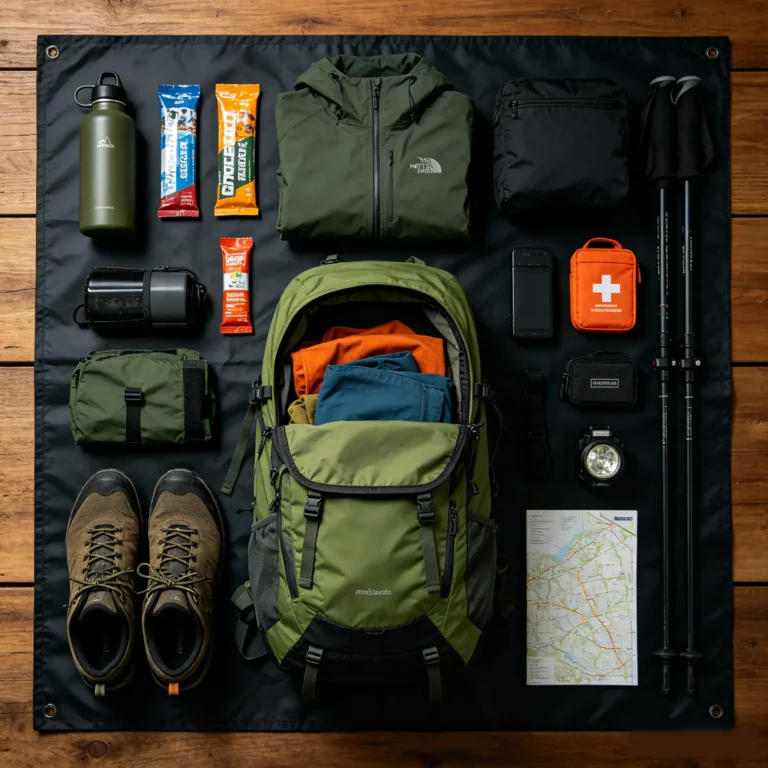
目录
Winter weather doesn’t mean the end of outdoor exercise. With proper clothing, preparation, and realistic exercise, one can still be physically active during the winter season and enjoy quiet trails, fresh air, and beautiful winter scenery. Nevertheless, cooler weather, reduced daylight, snow, ice, and wet conditions affect physical responses to exercise.
Winter Activities Outdoors demand more preparation than exercise in warm weather. It’s not just about surviving the cold but about keeping a comfortable body temperature, moving safely, staying hydrated, and working out properly. The knowledge of all these aspects makes winter exercise enjoyable and possible.
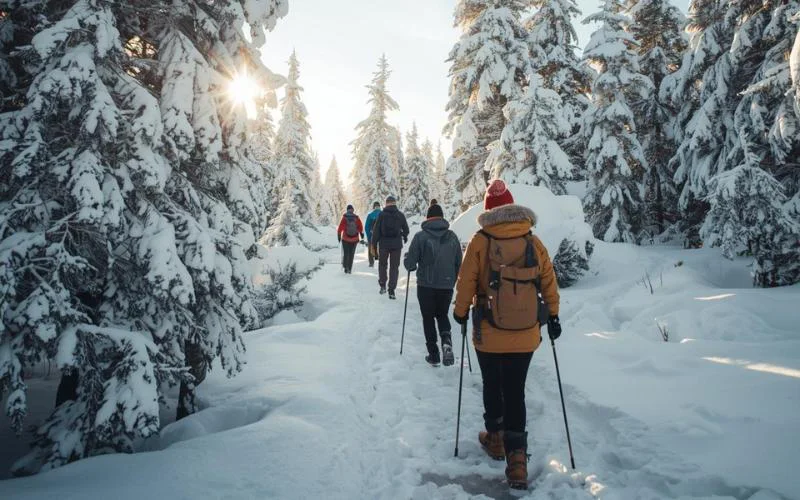
1. Why Is Staying Active Outdoors in Winter Important?
Physical Benefits of Winter Outdoor Activities
Regular outdoor exercise will help keep your heart in shape, muscles strong, and improve balance and flexibility in winter. Some forms of exercise, such as walking, hiking, running, or cycling, do not require any special gym equipment.
Also, cold weather will affect the physical activity level needed. Energy is consumed by the body to keep itself warm; meanwhile, snow, mud, or unstable ground will require extra work from the muscles in the legs. Nevertheless, this does not imply that the activity performed during winter should be more intense. It is always better to choose moderation than to try to compensate for the weather with physical work.
Mental and Lifestyle Benefits
Moreover, the winter season might motivate individuals to stay at home, where there is no need to move around much. Performing outdoor activities helps break the cycle of sitting indoors while taking pleasure in the outdoor environment. Even 20-30 minutes of walking outdoors is a valuable activity. It can help develop a habit of exercising regularly and not waiting for warmer days.
How Cold Weather Changes Your Exercise Needs
Low temperatures will influence warm-up duration, clothing, hydration, and exercise intensity. Cold temperatures might result in inflexible muscles; at the same time, icy and snowy conditions will increase the chance of slips and falls. Thus, winter training should include a prolonged warm-up and enough time for adjusting to the conditions. If temperatures, wind, or visibility are dangerous, it would be logical to change the route or do workouts indoors.
2. How Should You Prepare for Staying Active Outdoors in Winter?
Dress in Layers for Warmth and Comfort
Layering clothes is much better than one thick garment. The basic three-layer system would consist of:
- A moisture-wicking base layer
- An insulating middle layer
- A wind- or water-resistant outer layer
The right balance of clothes should depend on temperatures and exercise intensity. For example, running produces more heat in the body than slow walking. Thus, too many layers will cause sweat and discomfort when the body cools down.
Choose the Right Shoes and Winter Gear
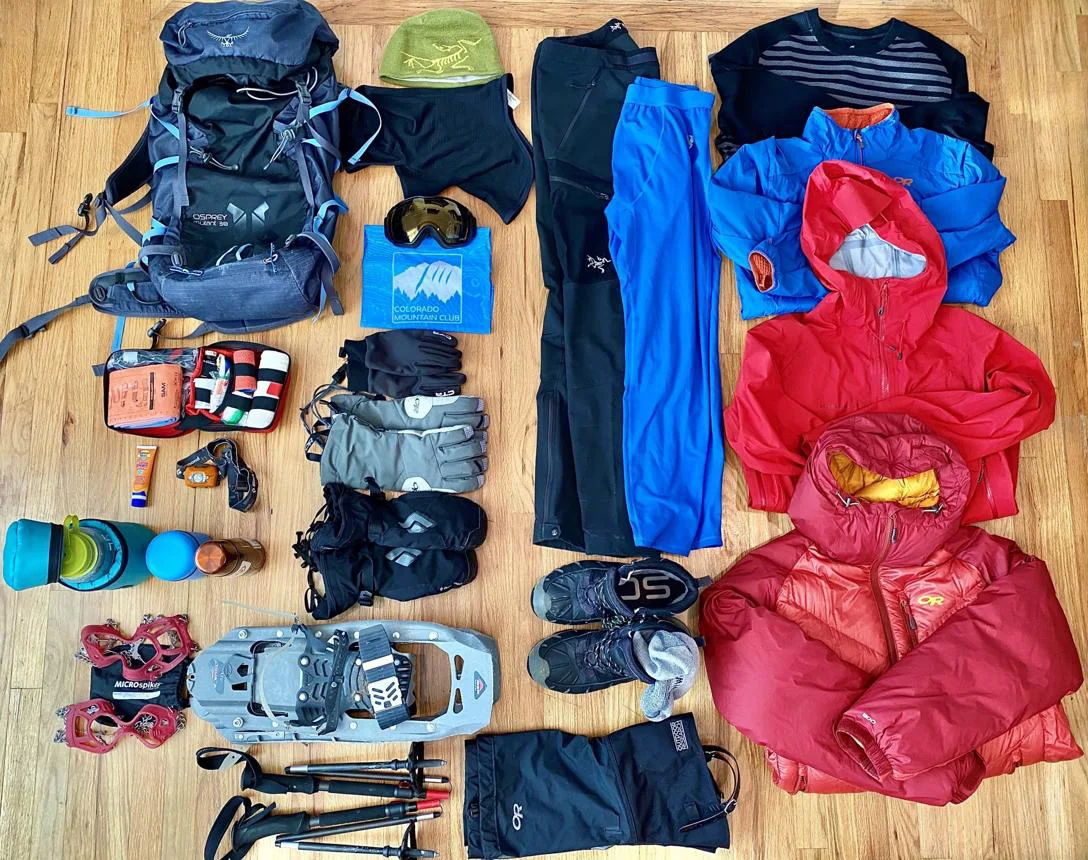
The right shoes should depend not only on temperature but on the terrain as well. In wet and snowy conditions, waterproof shoes will work well; in slippery conditions, shoes with greater traction. Depending on the type of physical activity, winter gear may also include gloves, a hat, reflective clothes, sunglasses, and traction aids. For night-time exercises, it will be useful to have a headlamp and reflective details.
Check Weather, Trail, and Ground Conditions
Precondition checks before departure become especially critical during winter. Take into consideration forecasted temperature, wind, precipitation, number of daylight hours, and the state of the trail itself. Trails, which are comfortable to pass through during the summer, might become much harder after any kind of precipitation or freezing rain. Shorter routes near familiar areas can be a better option when conditions are uncertain.
Warm Up and Adjust Your Exercise Intensity
Preparation of the body before exercise through a warm-up for 5-10 minutes is a good way to get ready for higher physical load. One needs to start with simple walking and movements and only then intensify exercise. The intensity of the exercise should also correspond to weather conditions. Deep snow, strong wind, or hilly landscape might intensify physical strain despite the pace that is planned to remain the same.
3. What Are the Best Activities for Staying Active Outdoors in Winter?
Winter Hiking and Walking
Walking and hiking activities are great since one can control the level of their intensity easily. This means that a person can take a walk for 30-60 minutes and perform valuable cardio exercise without any special equipment. In case of snowy or icy trails, one should use experience and proper traction.
Running and Cycling in Cold Weather
Running can still be included in one’s winter fitness program if there is no snow on the roads and trails. Runners have to focus especially on their traction, visibility, and dressing up because their body may get cold very fast after the run. When it comes to cycling, extra precautions must be taken because of the poor visibility and bad conditions of roads covered in wet leaves and snow. Cold weather calls for wearing gloves and proper clothes because the hands will freeze very fast.
Snow Sports and Recreational Activities
There are some other types of winter sports such as snowshoeing and cross-country skiing that can add more variation to one’s workout regimen. They are great cardio exercises, and when practiced on difficult routes, can be very challenging for one’s legs. Beginners have to be aware that they should start with easy routes and learn the technique of moving.
Outdoor Strength and Fitness Exercises
Outdoor strength training can work alongside walking, running, or hiking exercises. Some simple bodyweight exercises like squats, lunges, step-ups, and controlled core training can be done outdoors in appropriate places. For winter strength training sessions, one needs to start with an adequate warm-up and avoid any exercise that needs proper foot stability on ice. One can be fine with 15 to 20 minutes of strength training sessions outdoors.
Conclusion
The main idea of Staying Active Outdoors in Winter is more about adaptation than cessation of regular workouts. Appropriate gear, footwear, weather, proper warm-up procedures, and realistic activities are all factors to ensure safe outdoor activities during winter. When choosing your workout for the day from among a 30-minute walk, winter hike, run, cycling, and some snow sports, think of what the weather and other conditions really allow you to do. Proper preparation and understanding when it becomes too cold to exercise are key here.
0