目录
The multicolored bougainvillea is one of the most striking ornamental plants for home gardens, valued for its vivid bracts in shades of pink, purple, red, orange, and white. It is widely used in tropical and subtropical landscaping because of its fast growth, drought tolerance, and ability to create a dramatic visual impact. However, achieving a healthy and vibrant multicolor bougainvillea requires more than just planting it in the ground. Proper sunlight, soil conditions, watering habits, and regular maintenance all play essential roles in ensuring long-term growth and continuous flowering. Understanding how to grow this plant correctly helps gardeners enjoy its beauty throughout the growing season.
Choosing the Right Location for Optimal Growth
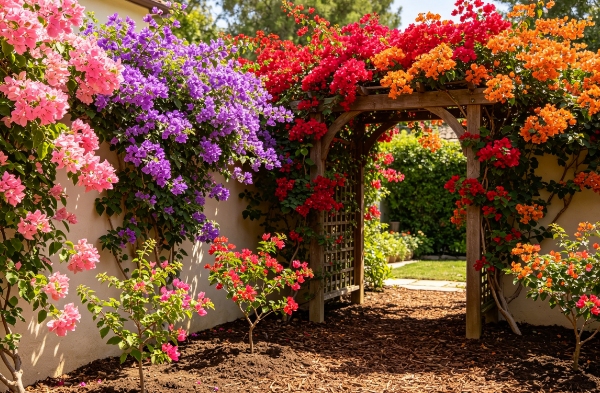
Selecting the correct planting location is one of the most important factors in successfully growing multicolor bougainvillea, as it directly affects flowering intensity and overall plant health.
- Full sunlight exposure is essential for blooming
Multicolor bougainvillea requires at least 6–8 hours of direct sunlight daily. Without sufficient light, the plant tends to produce lush leaves but very few flowers, significantly reducing its ornamental value. - Warm and sheltered environments support better growth
This plant thrives in warm climates and should be protected from strong winds or frost. Cold environments will slow its growth rate and may damage its delicate branches—a consideration that is particularly important for young plants. - Well-ventilated areas reduce disease risk
Good air circulation helps prevent fungal infections and moisture buildup, both of which can negatively affect plant health and flowering performance. - Space for climbing and spreading growth habit
Since multicolor bougainvillea can grow vigorously, it should be planted near walls, fences, or pergolas where it has enough room to spread and climb naturally.
Soil Preparation and Planting Requirements
Healthy soil conditions are essential for establishing strong roots and supporting continuous blooming in multicolored bougainvillea.
- Well-drained soil prevents root rot problems
The plant does not tolerate waterlogged conditions. Sandy or loamy soil with good drainage ensures roots remain healthy and oxygenated. - A slightly acidic to neutral pH is ideal
A pH range between 5.5 and 6.5 supports efficient nutrient absorption, helping the plant grow stronger and bloom more consistently. - Organic matter improves soil structure and fertility
Adding compost enhances nutrient availability and improves moisture balance, allowing the plant to establish quickly after planting. - Avoid overly rich or nitrogen-heavy soil
Excess nitrogen encourages leaf growth instead of flowers, reducing the vibrant blooming effect that multicolor bougainvilleais known for.
Watering and Fertilization Practices
Proper watering and feeding routines are essential for maintaining a healthy multicolor bougainvillea and encouraging repeated flowering cycles.
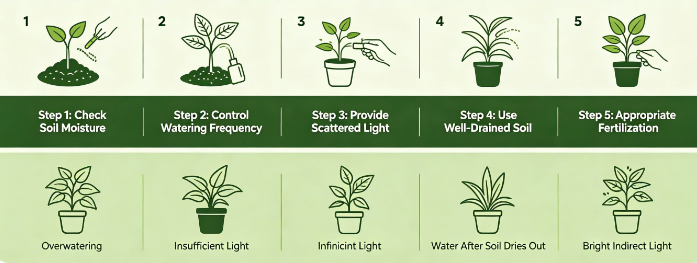
- Controlled watering to encourage blooming
The plant prefers slightly dry conditions. Watering should be done only when the topsoil becomes dry, as excessive moisture can reduce flowering and cause root issues. - Balanced fertilization for steady growth
Use fertilizers low in nitrogen and higher in phosphorus and potassium to support flower production and improve bract coloration. - Seasonal feeding during active growth periods
Fertilizing in spring and summer helps stimulate strong blooming cycles, while reducing feeding in dormant periods prevents unnecessary foliage growth. - Avoid over-fertilization to prevent weak growth
Too many nutrients can lead to excessive leafy growth and fewer flowers, reducing the plant’s decorative appeal.
Pruning and Maintenance Techniques
Regular maintenance is essential for shaping multicolor bougainvillea and encouraging healthy, continuous blooming throughout the year.
- Pruning after each flowering cycle
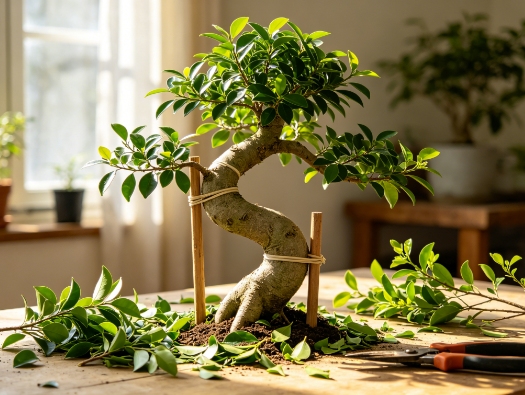
Cutting back spent branches stimulates new growth, which often leads to the next round of blooms. - Shaping for aesthetic and structural control
The plant can be trained into hedges, climbing vines, or decorative shapes, depending on garden design needs. - Removing dead or weak branches improves plant health
This helps redirect energy toward healthy stems and promotes stronger flowering performance. - Monitoring pests and diseases regularly
Early detection of aphids, spider mites, or fungal issues ensures the plant remains vigorous and attractive.
Seasonal Care and Growth Optimization
Understanding seasonal changes helps gardeners adjust care routines for multicolor bougainvillea to maintain consistent growth and flowering.
- Peak flowering in warm seasons
Spring and summer are the most active blooming periods, when the plant produces its most vibrant colors. - Reduced growth in cooler months
In colder weather, the plant may slow down or temporarily stop flowering, requiring less watering and fertilization. - Protection during extreme weather conditions
Shielding the plant from frost or heavy rain helps prevent damage and ensures long-term survival. - Adjusting care routines based on plant response
Observing leaf color, growth rate, and flowering frequency helps fine-tune watering and feeding schedules.
Conclusion
Growing a healthy multicolored bougainvillea requires a combination of proper sunlight, well-drained soil, controlled watering, and regular maintenance. When planted in the right environment and cared for consistently, this vibrant ornamental plant can produce stunning displays of color throughout much of the year. By following correct gardening practices such as pruning, balanced fertilization, and seasonal adjustments, gardeners can ensure strong growth and abundant flowering. With the right care, multicolor bougainvillea becomes a long-lasting highlight in any garden landscape, offering both beauty and visual impact.
0