目录
Regular maintenance is required for a wine corking machine to ensure constant seal efficiency, avoid production delays, and save bottles from being affected by poor closures. Dust, cork dust, faulty parts, and machine malfunctions may influence its operation over time. For wineries and bottling companies, a properly maintained Wine Corker guarantees stable production and minimal repair expenses. Knowledge about basic maintenance procedures and possible malfunctions will help you spot and fix problems on time.
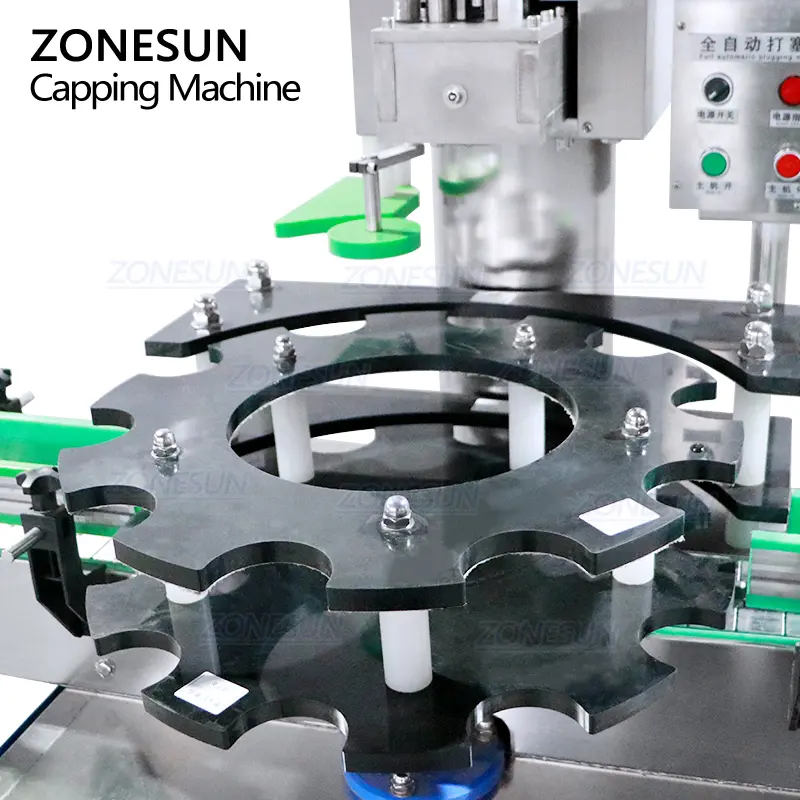
1. Why Is Regular Wine Corker Maintenance Important?
When used during the bottling process, Wine Corker machines are subjected to friction, vibration, cork dust, and mechanical movements. In case of improper maintenance, all these factors may impair the precision and seal efficiency of the machine. Maintenance has many advantages, such as:
- Constant cork insertion: A clean and properly adjusted compression mechanism can ensure constant cork placement and insertion depth.
- Minimized downtime: Regular maintenance checks help prevent breakdowns caused by parts failure, which can result in unexpected downtime.
- Better sealing quality: Proper alignment and compression ensure that there are no problems with loose corks, faulty seals, and leakage.
- Greater durability of the equipment: Regular inspection and lubrication can minimize mechanical parts wear.
For instance, if a production line is working at the rate of 1,200 bottles per hour, 30 minutes of downtime means 600 missed bottles. Thus, preventive maintenance is quite crucial for timely production.
2. What Are the Key Wine Corker Maintenance Tasks?
Maintenance of the machinery needs to be performed systematically on the feeding process, cork compression parts, mechanical parts, and electrical control of the machine. The time interval for such inspections is dependent on the operating hours and the manufacturer’s instructions, among other factors.
Cleaning the Cork Feeding System
Dust from the cork may accumulate in the hopper, feeding paths, and guiding rails. Such materials might interfere with the flow of the cork. Cleaning of the feeding process needs to be done at regular intervals using a brush, cloth, or other cleaning material. Check the following:
- The cork hopper and the storage location.
- Feeding paths and guiding rails.
- Positioning mechanism for the cork.
- Contact points at the inserting unit.
Be cautious not to use too much moisture, since natural cork is prone to absorbing moisture and changes in its physical structure.
Inspecting Corking Jaws and Compression Components
Compression jaws press the cork before placing it into the bottle neck. Their integrity is a direct factor influencing the performance of the process. Check the jaws for cracks, deformations, any signs of damage, and uneven wear. Pay attention to the smooth movement and correct positioning of all compression components.
Repair or replace broken or overly worn compression jaws based on manufacturer recommendations. Replacement parts should be compatible with the model of the Wine Corker and have the appropriate compression size.
Checking Pneumatic and Mechanical Parts
Pneumatic cylinders are widely used in automatic corkers to power different moving mechanisms. Fluctuations in air pressure, damage to hoses, and loose fasteners may cause movement problems. The following components should be checked during regular maintenance procedures:
- Air hoses and pneumatic connections for leaks;
- Pressure regulators and gauges for stable readings;
- Cylinders for smooth movement;
- Mechanical fasteners for looseness;
- Belts, bearings, and drive assemblies for abnormal wear.
The recommended operating pressure is different for each machine and should be set based on the manufacturer’s recommendations.
Lubricating Moving Components
Friction between different moving parts may increase the risk of mechanical wear and impact on machine accuracy. Bearings, guide rails, slides, and other intended friction spots may need occasional lubrication.
Always use lubricants approved for this specific equipment and follow the lubrication schedule provided. Extra lubrication is to be avoided since lubricant may attract dirt and contaminate other machine parts. When producing food or beverages, lubricants may also need to be selected based on the likelihood of accidental contact with packaging material.
Inspecting Electrical and Control Systems
Electrical parts of the machine are responsible for machine sequence and operating parameters. Possible looseness, damage, or failure of cables and sensors might result in unplanned stopping or movement of the machine.
Check the control panel, stop buttons, cables, connections, and sensor indicators for any alarms or unusual conditions displayed on the control panel. Checks and repairs of electrical parts should always be done by professionals who have isolated the machine from electricity.
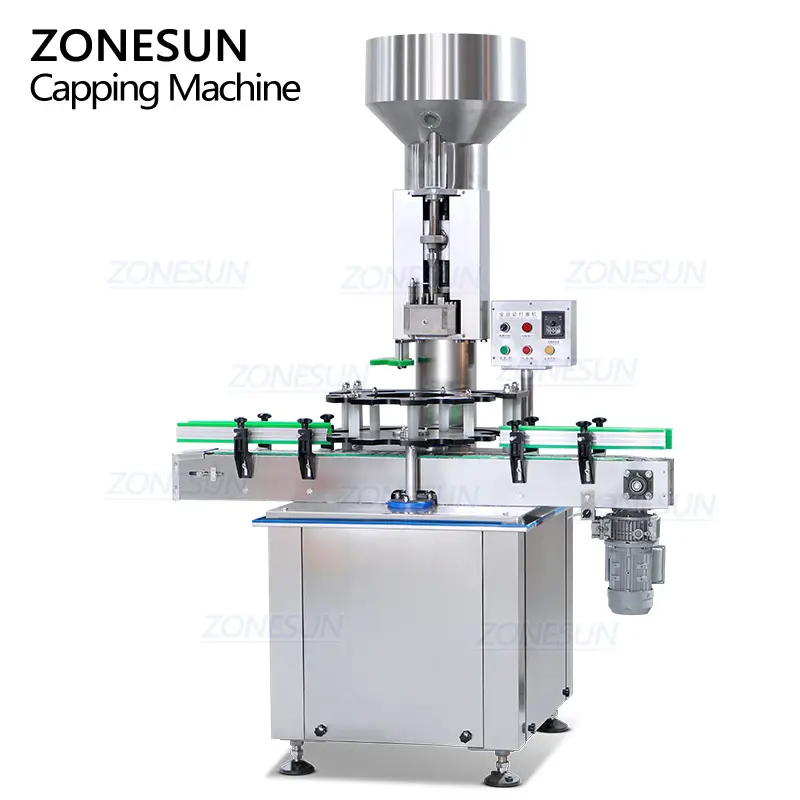
3. What Are the Common Wine Corker Problems and How Can You Fix Them?
Even with routine maintenance, a Wine Corker may experience operational problems due to component wear, incorrect settings, or inconsistent cork quality. Identifying the source of a problem helps prevent repeated production defects.
Corks Getting Stuck During Feeding
The reason behind getting stuck corks may include the accumulation of dust, damage to guide rails, cork dimension inconsistency, and wrong settings for feeding. To solve this problem, clean the feeding channels, make sure that corks go through them without any trouble, and check their dimensions according to machine requirements. In case this issue persists, examine feeding parts for deformation and improper alignment.
Inconsistent Cork Insertion Depth
Wrong insertion depth is caused by wrong machine settings, cork dimension discrepancy, wear and tear of jaws, and pneumatic pressure inconsistency. First of all, check the settings for insertion depth and compression. Examine the corking jaws and the air supply source. It is also necessary to check sample bottles to find out whether the proper depth is achieved.
Damaged or Deformed Corks
Cracked, broken, or overly compressed corks could result from inappropriate compression parameters, defective jaws, or wrong cork sizes. Make sure the cork diameter and length match those in the machine. Look for possible uneven compression, as well as replacement of any damaged parts. It is important to keep the corks dry while storing.
Unstable Machine Operation
Vibration, irregular movements, or stops are possible due to loose bolts or screws, bearing wear, air pressure fluctuation, or electrical fault. Inspect the drive, connecting mechanisms, and pneumatics. Take a look at the control unit error history. In case of persistent problems regarding unusual vibration or electrical faults, stop the machine and ask for an expert’s help.
Conclusion
Regular maintenance helps a Wine Corker maintain stable operation, consistent cork insertion, and reliable bottle sealing. Cleaning the feeding system, inspecting compression jaws, checking pneumatic components, lubricating moving parts, and testing electrical controls are essential tasks.
When operators also address common feeding and insertion problems promptly, they can reduce downtime and avoid unnecessary component replacement. Following a preventive maintenance routine based on actual production conditions and manufacturer instructions is the key to keeping a Wine Corker efficient over the long term.
0