目录
Participating in extreme sports is enjoyable in terms of physical activity and gaining experience in outdoor activities. Still, beginners are not obliged to choose the most complicated variants of sports. Such sports as indoor rock climbing, mountain biking, whitewater rafting, surfing, and paragliding can be good starting points provided that beginners have the right amount of training and safety equipment.
Difficulties in sports can be quite different depending on the type of sport chosen. A beginner climbing a trail and a mountain climb are two completely different concepts, just like calm water rafting and rafting with hard rapids. Choosing the right level of difficulty and learning the basic techniques are mandatory actions for beginners.
1. How Should Beginners Choose an Extreme Sport?
Consider the Level of Physical Demand
Each extreme sport has its own requirements concerning participants’ physical fitness. Climbing requires grabbing, balancing, and controlling one’s body, and mountain biking demands leg muscle endurance, coordination, and cardio exercises. Surfing includes balancing along with upper body and lower body exercises, and rafting requires paddling and teamwork.
Beginners should take into account their current physical condition and not choose the sport solely based on how exciting it is. 30-60 minutes of practice can help the body get used to the sport without any excessive fatigue.
Evaluate Risk and Safety Requirements
The safety needs of a sport must be determined before engaging in any form of extreme sport. A beginner must be familiar with protective gear, environmental dangers, and emergency measures that come with that particular sport.
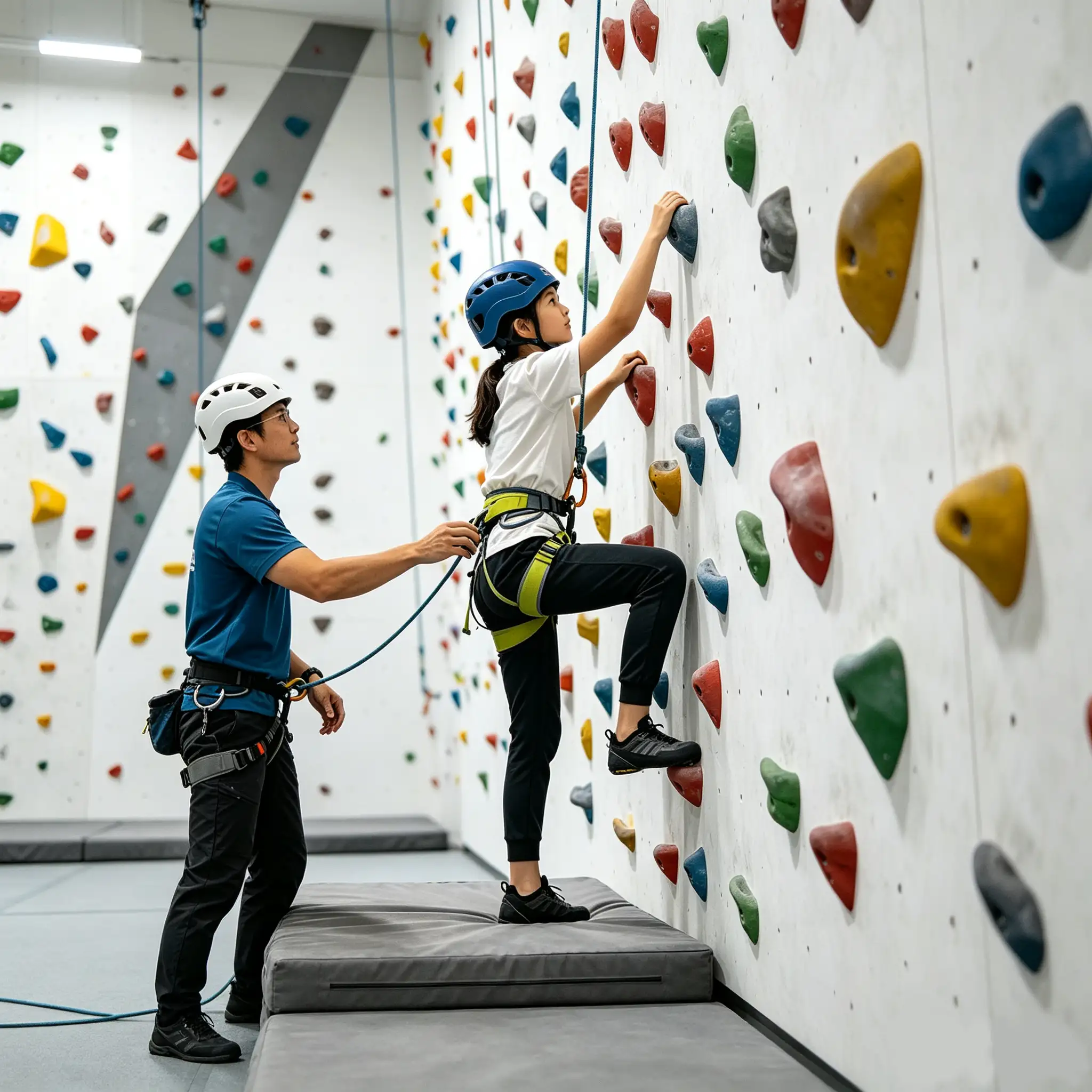
For instance, climbing normally demands a helmet, harness, and proper roping system, whereas mountain biking entails the use of an appropriately fitted helmet and protective clothing. Expert instruction is especially necessary where there is a need for specific equipment and environmental dangers in the activity.
Choose an Activity That Matches Your Environment
Place can affect whether a sport is viable or not for a beginner. For instance, indoor climbing areas offer a conducive environment to learn climbing basics due to the availability of marked routes. Similarly, the availability of proper trails and water determines the suitability of mountain biking and surfing activities, respectively.
Weather is also a critical element to consider. Any beginner should not start an outdoor extreme sport under extreme weather conditions like strong winds, storms, excessive temperatures, and reduced visibility. This enables a beginner to focus on technique.
2. What Are the Best Extreme Sports for Beginners?
Indoor Rock Climbing
One of the well-defined methods of getting involved in an extreme sport is indoor rock climbing. Rock climbing facilities usually have climbing routes of various difficulty levels; hence, beginners get to learn basic moves starting from the easier ones. Basic skills like placing your feet, body positioning, handling grips, and proper climbing technique can be learned within a 60–90-minute period.
Besides the controlled conditions, indoor facilities reduce a number of the unpredictable factors linked to outdoor rock climbing. However, frequent resting periods will still be needed as the beginner’s arms become tired, particularly during the first couple of lessons.
Mountain Biking
Mountain biking involves cycling in combination with irregular terrain, turning, ascents, and descents. At first, beginners can ride on smoother trails before advancing into tougher ones. A proper beginner mountain bike should be equipped with working brakes, the right tires, and the corresponding size of the frame, whereas an adequate helmet is a necessity for safety.
At first, the basics of braking and cornering should be learned by the beginner before proceeding to jumping, steep descents, or other tough obstacles. The distance of 5–10 km is a good start for a beginner.
Whitewater Rafting
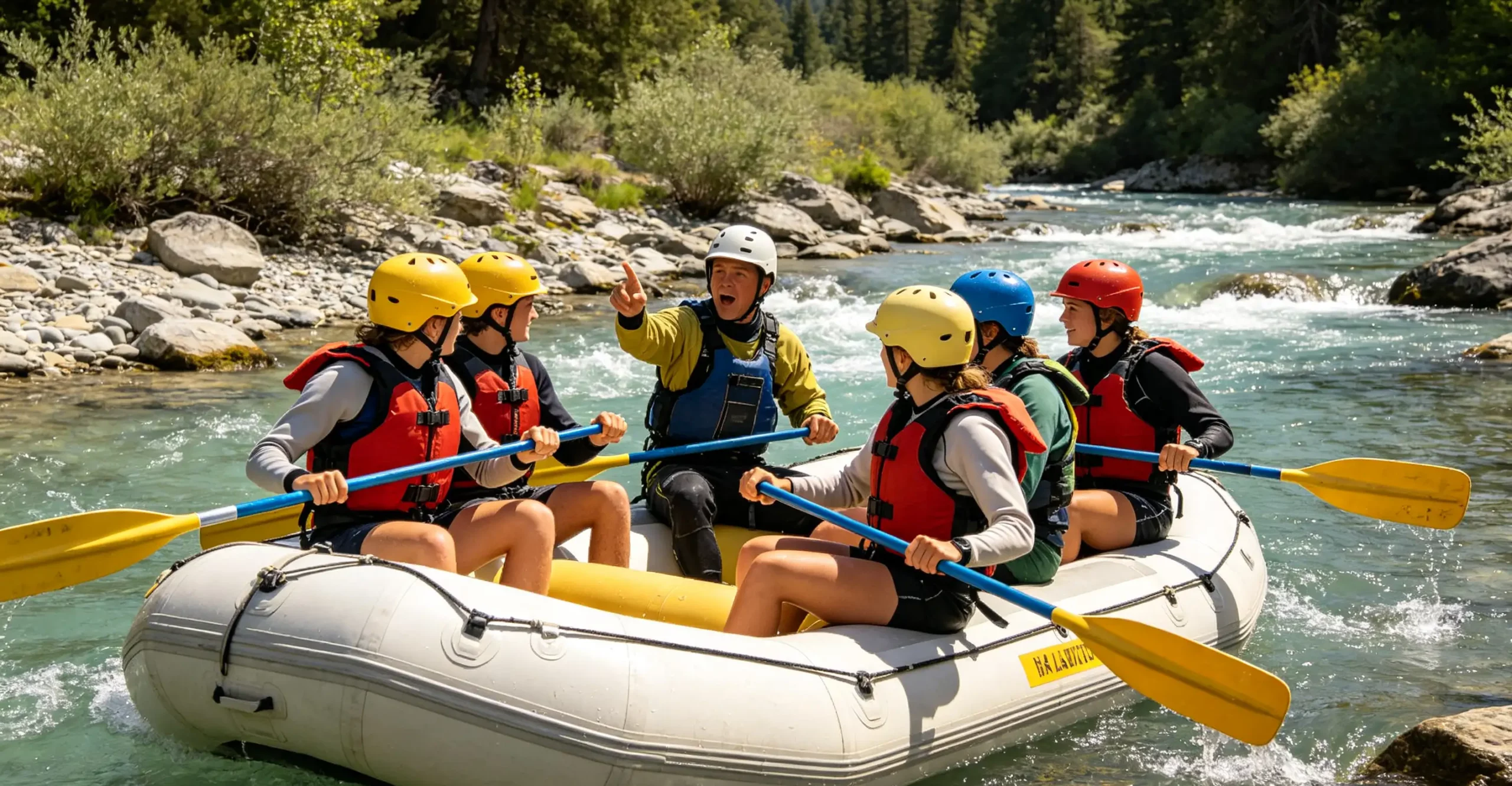
Whitewater rafting provides newbies with an opportunity to work with running water and learn about teamwork and directions. Whitewater rafting classes usually categorize trails according to their level of difficulty, which enables beginners to choose those trails that do not have very strong rapids. An average course takes several hours, including instructions and floating; thus, beginners should already be aware of how to paddle and follow the guide’s orders.
Since it is not an individual sport, communication and following instructions are no less important than physical condition. This is particularly important when water flow changes or the raft approaches rapids, as coordinated actions help the group respond effectively to changing conditions.
Surfing
It is not easy physically; however, a beginner can practice in shallow water with low waves. At the very beginning, the focus will be on board control, paddling, balancing, and standing. Moreover, a bigger board is better for a beginner since it is more stable.
It is necessary to be aware of the water conditions, tides, currents, and surfing zones in the area before entering the water. It can be sufficient to practice for about 60 minutes since paddling and standing can become exhausting pretty fast.
Paragliding
In paragliding, there is a totally different experience, since the person who participates in it flies and is not on land or water. The beginner in this sport will probably benefit more from a tandem flight under the control of the instructor than from a solo one.
The instructor controls all flight devices, and the passenger just needs to follow his instructions during take-off and landing. Weather is very important in paragliding, and the flight must take place only in case of the required wind and visibility. Due to the special equipment and environmental circumstances, the control of professionals is very necessary for beginners.
3. How Can Beginners Prepare for Extreme Sports?
Build Basic Strength and Endurance
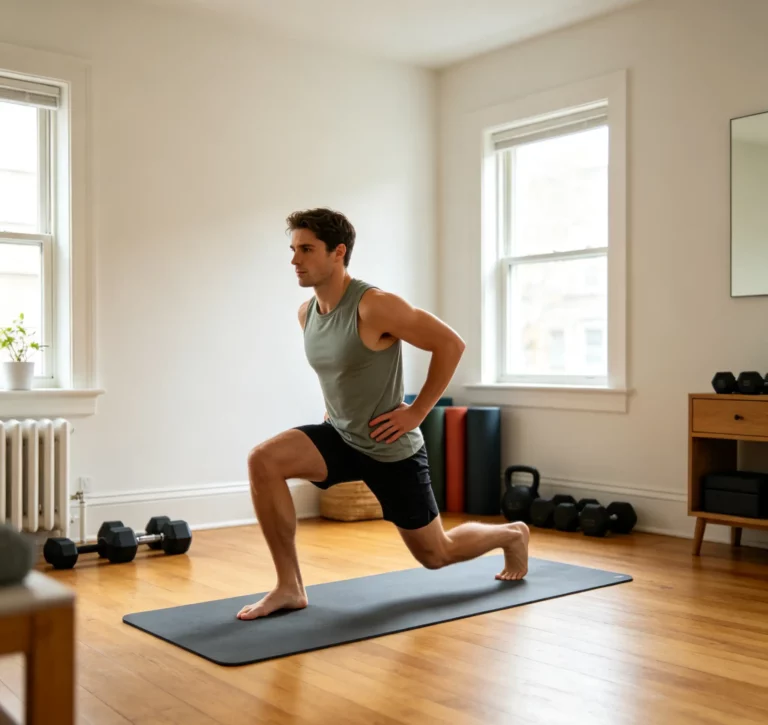
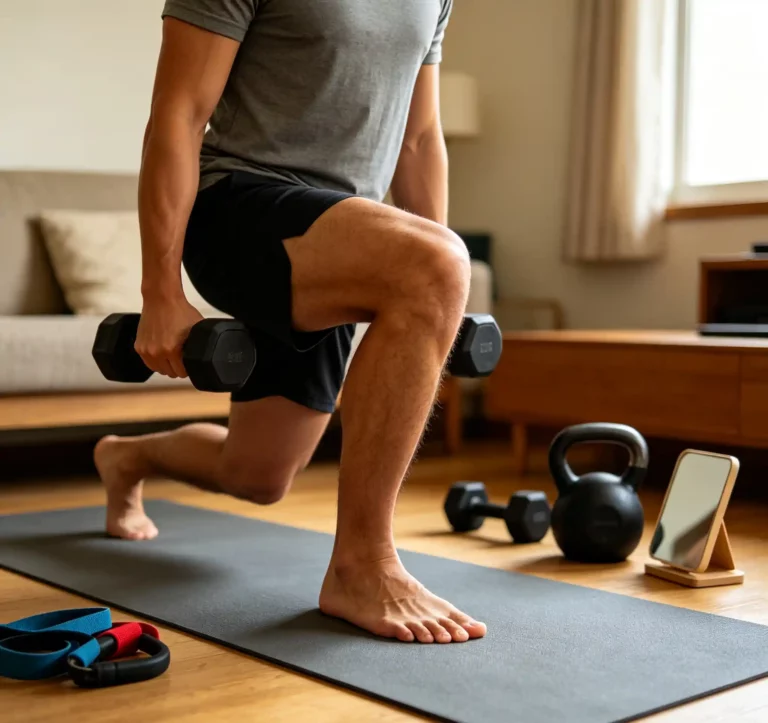
The proper physical training will allow you to feel more comfortable at your first flight. Beginners can mix aerobic workouts with some strength training in advance of the activity. Useful exercises can be the following:
- 20–30 minutes of moderate cardio several times per week
- Bodyweight squats for lower-body strength
- Planks for core stability
- Push-ups for upper-body strength
- Mobility exercises for balance and movement control
The goal is not to reach peak athletic performance but to develop enough fitness to maintain good technique without excessive fatigue.
Learn Essential Skills from Qualified Instructors
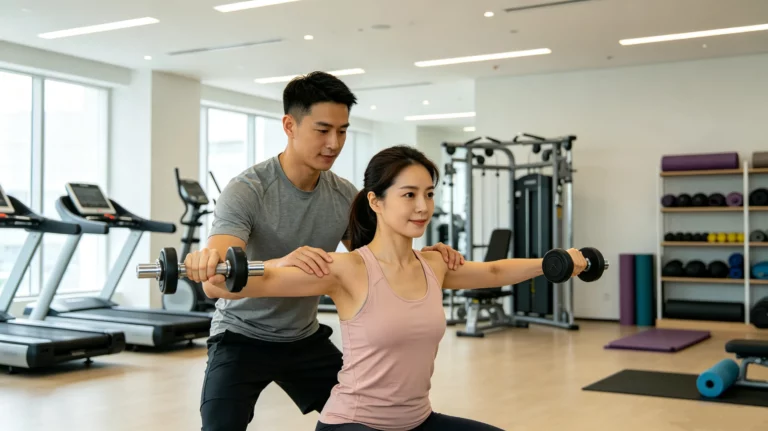
Instruction plays a key role when the beginner does not know the special equipment and environmental conditions. A qualified instructor shows the proper techniques, notices possible mistakes, and explains the way to act in an unexpected situation. The beginner needs to master the basic skills before going faster, higher, farther, and harder.
Use Appropriate Protective Gear
Protective equipment should match the sport and fit correctly. Depending on the activity, essential gear may include:
| Sport | Common Beginner Equipment |
| Rock climbing | Helmet, harness, climbing shoes |
| Mountain biking | Helmet, gloves, suitable bike |
| Whitewater rafting | Helmet, personal flotation device |
| Surfing | Surfboard, leash, suitable wetsuit |
| Paragliding | Certified flight equipment and helmet |
Equipment should be inspected before use, particularly when it involves ropes, helmets, flotation devices, or other safety-critical components.
Start with Beginner-Friendly Routes and Conditions
Progress should be slow. Beginners should start with low-risk options such as small waves, easy hiking, slow rides, or supervised activities. Only after acquiring the skills is it possible to raise the degree of difficulty gradually. It is also necessary to terminate the activities whenever fatigue impacts the ability to coordinate actions or make decisions. Extreme sports need a lot of concentration, and working while being exhausted may result in making mistakes.
Conclusion
There are several ways to approach the sport of extreme sports that are good for beginners. They include indoor rock climbing, mountain biking, whitewater rafting, surfing, and tandem paragliding, depending on the degree of difficulty and the equipment used. The right sport will depend on fitness and environmental factors.
0