目录
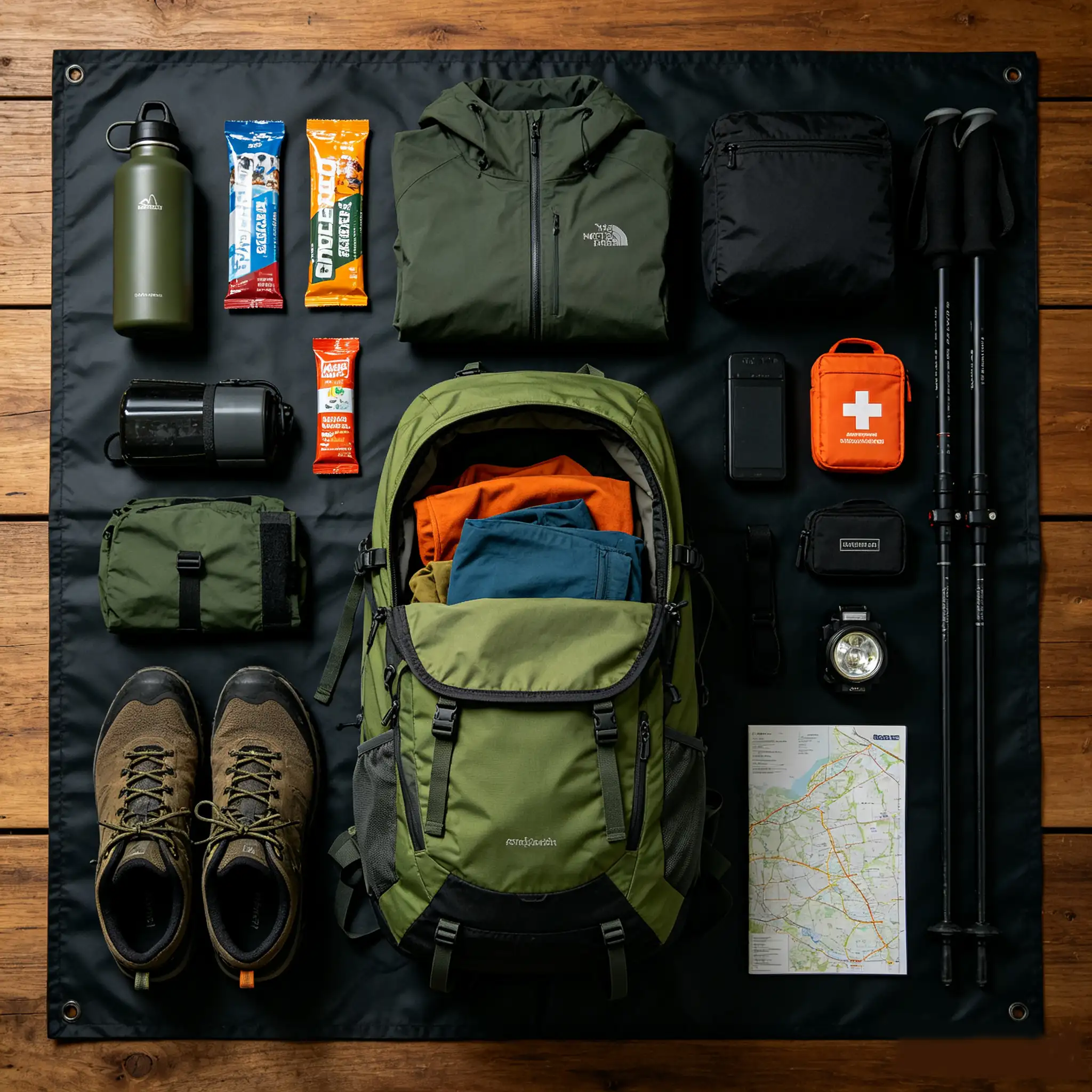
Packing the right gear makes planning for your first hiking adventure a bit easier. All your equipment needs to be planned and packed according to a detailed list that includes the things needed for staying hydrated, having food and clothes, proper shoes, a navigation device, a minimum first aid kit, and emergency items. At the same time, the choice depends on several things like length of the trail, weather conditions, terrain, and the duration of your activity – an afternoon or overnight hike.
The key for the beginner is to ensure that you have all the equipment needed for your comfort and safety, but without being overloaded with excess gear. A day hike would require a 20-30liters backpack, while for distance trips you might need something bigger.
What Should You Pack for Your First Hiking Trip?
Choosing the Right Hiking Backpack
The first and foremost thing about the backpack is that it should have enough room for storing the equipment without making you carry extra load in terms of weight. A 20–30 liter backpack is sufficient for a day hike and will let you carry all the equipment that you have, including water, food, additional clothing, safety equipment, and other personal stuff.
The backpack should have adjustable straps, good support, and enough pockets to evenly distribute the weight. The backpack should be comfortably placed on your back and should not cause any hindrance in movement or any sort of discomfort. One should properly pack his/her backpack and try to wear it for some time before going on a trip.
Packing Enough Food and Water
Water will be the first thing that needs to be considered before a hike. The quantity needed may depend on the weather, distance, height, and personal condition, but having 0.5–1 liters per hour will be the optimal amount to keep in mind. As for food, it should include carbohydrates, proteins, and fats in moderate quantities. Good choices are:
- Trail mix and nuts
- Energy or granola bars
- Dried fruit
- Sandwiches
- Jerky
- Fresh fruit
For hikes of extended duration, take into account the availability of safe water sources as well as the necessity of a water filter or purification process.
Preparing Clothing for Changing Weather
The weather can alter rather suddenly in high and exposed regions. Rather than depending on one substantial layer, a beginner could opt for a layering approach wherein clothes can be put on or taken off based on the circumstances.
Such an outfit would consist of three layers: the base layer to wick moisture away from your body, a second one to keep you warm, and an outer layer to protect you from water or wind. It would make sense to have a spare layer even in good weather conditions in case the temperature drops unexpectedly or it starts raining.
Selecting Comfortable Hiking Shoes
The choice of footwear should depend on the nature of the terrain and distance of the hike. Proper hiking boots or hiking shoes may help provide the necessary support to the feet and proper traction on rugged terrain. The new boots or shoes should not be worn on long hikes since they will need time to break in. This ensures that blisters and other discomforts will not occur. The other equipment that needs consideration is socks. Moisture-wicking socks work better than cotton ones when it comes to long walks.
What Safety Gear Should You Pack for Hiking?
Carrying a First-Aid Kit
The well-stocked first aid kit should cover all the needs that the hiker may have, including blisters and injuries. This first aid kit should not necessarily be large, but it should contain some essential items like band-aids, gauze, antiseptic wipes, blister cream, medical tape, and personal medications. For longer and remote hikes, there is room to stock up more. The thing to remember here is that the first aid kit should be easily accessible, not buried beneath other clothing and food.
Bringing Navigation and Communication Tools
Even on a familiar trail, navigation equipment provides an important backup. The use of smartphones can be helpful if one installs a trail map, which works offline. However, hikers should not solely rely on the devices since they may lose power or signal. An ideal configuration would be:
- Offline map or GPS device
- Physical trail map
- Compass
- Fully charged phone
- Portable power bank
For remote hiking, an emergency communication device gives an extra edge when there is no cell coverage.
Using Trekking Poles for Stability and Support
Trekking poles will provide you with better stability when you are hiking on steep, rocky, muddy, or rugged paths. The benefit of having two extra points of contact with the surface will help you to keep your balance, especially when going down the path or crossing uneven ground.
For beginners, the poles can be adjusted so that the elbow joints of your arms stay at a comfortable angle of about 90 degrees. Although poles are not necessarily necessary for all hiking, they could be helpful especially when you have to carry heavy packs on your back.
Packing a Headlamp and Emergency Supplies
You may want to have a headlamp even when you think that you will be done before dark. Problems with orientation, accidents, or bad weather can change your plans. A pocket-size flashlight can serve as an alternative light source; some spare batteries, or even better, a portable battery charger could give you a hand with keeping the light going. Among other emergency items, there may be an emergency blanket, whistle, lighter, repair tape, and a multi-tool.
Packing Sun and Insect Protection
It is possible to get sunburned and bitten by bugs in a few hours while outside. These are all small things, but they can be helpful to pack along. Sunscreen before a trail, plus enough to reapply during, will keep you protected throughout the trip. If there are lots of bugs in the area, repellent and clothes that cover your skin will also help protect you from bites.
How Should You Pack for Your First Hiking Trip?
How Can You Keep Essential Items Easy to Reach?
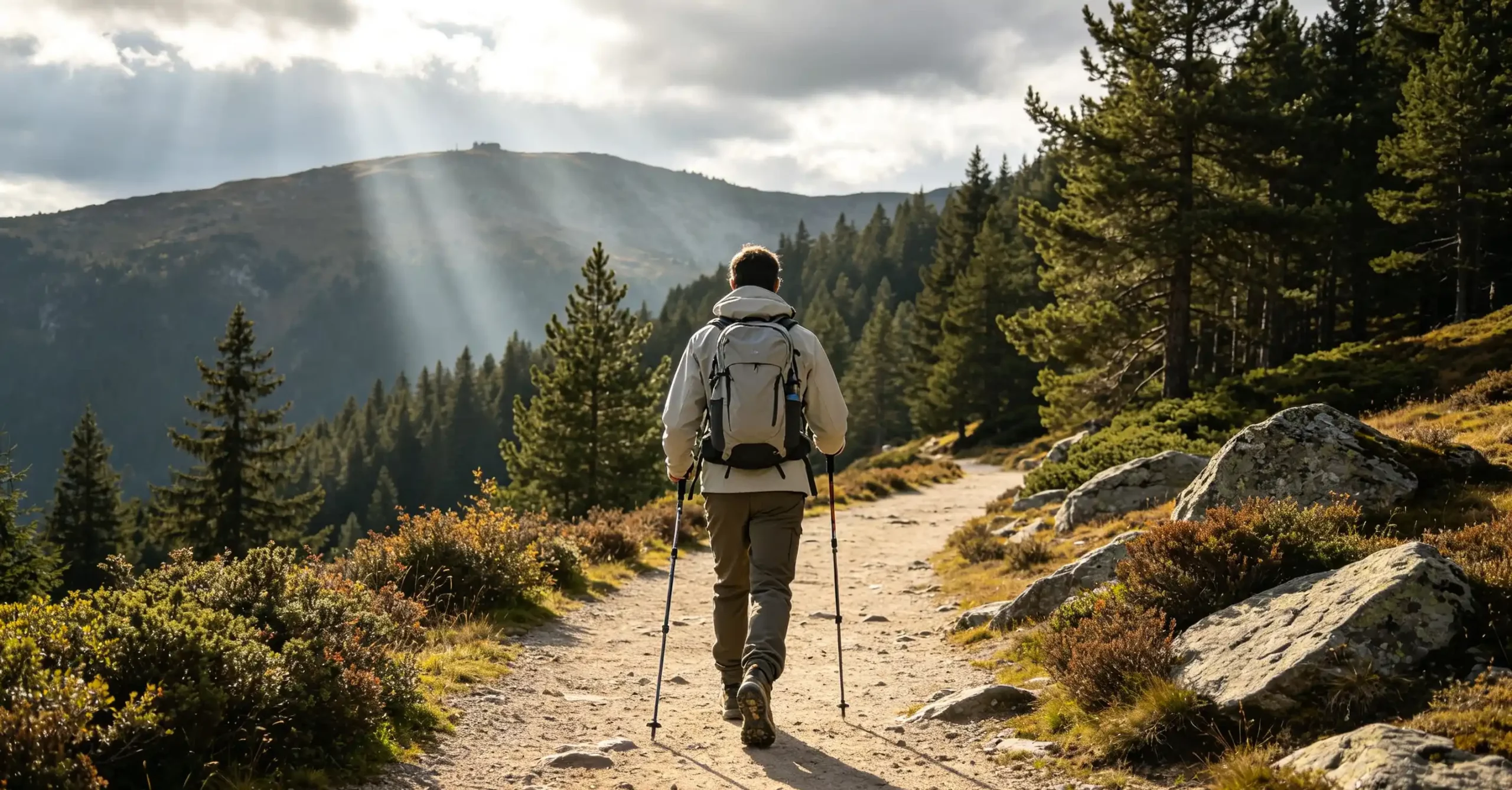
The items that you will require during your hike must be easily accessible. You don’t wish to find yourself searching for water, food, sunscreen lotion, navigation aids, cover from rain, or first aid material at the bottom of your backpack. It is very simple to arrange the backpack into three sections:
| Packing Area | Suitable Items |
| Bottom | Extra clothing, emergency blanket |
| Center | Food, heavier equipment |
| Top or outer pockets | Water, map, sunscreen, first-aid kit |
Consistent placement of the equipment will allow you to reach anything quickly when the situation changes.
How Much Weight Should a Beginner Carry?
Every hiker’s backpack weight cannot be determined, as it depends on body size, level of fitness, distance, and terrain. Beginners need to pack only necessary items and make sure that their packs remain lightweight. As a rule of thumb, 10–15 percent of one’s body weight could be considered appropriate, provided that the pack is comfortable to carry and does not influence mobility.
Conclusion
To ensure that one carries enough items for his/her hike but does not carry too much weight, the hiker needs to maintain a delicate balance. A well-fitted backpack, water and food, appropriate clothing, good shoes, navigation aids, a first aid box, and emergency equipment are all helpful. Before your hike, research the weather, trail length, topography, and sources of water, and take only the necessary things to the trail.
0