目录
Caring for a ficus tree may seem straightforward, but even experienced plant owners can make mistakes that hinder growth. Chinese ficus is particularly popular for indoor gardening due to its resilience, yet improper care can lead to leaf drop, stunted growth, or pest infestations. Understanding the typical errors in watering, lighting, pruning, and general maintenance is crucial for keeping your ficus healthy and vibrant.
1. Watering Mistakes
- Overwatering
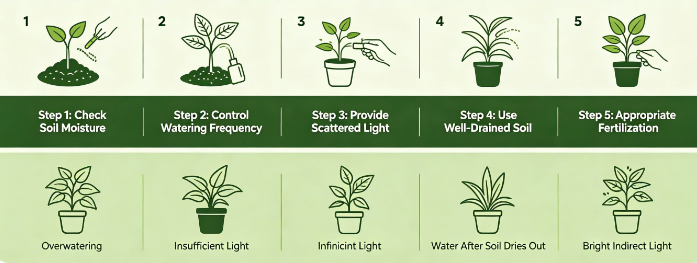
One of the most frequent mistakes is overwatering. Ficus trees, including Chinese ficus, prefer consistently moist soil but cannot tolerate waterlogged conditions. Excess water can suffocate roots, causing rot and yellowing leaves. Always check soil moisture before watering and ensure pots have proper drainage.
- Underwatering
Conversely, underwatering can also harm your ficus. Dry soil can stress the plant, leading to drooping leaves and slowed growth. Indoor ficus trees may require more frequent watering during the dry winter months or in heated rooms to maintain leaf turgor and overall health.
2. Light-Related Errors
- Insufficient Light
Ficus trees need bright, indirect sunlight. Insufficient light is a common cause of leaf drop and weak stems. Chinese ficus indoors should be positioned near a window with filtered light, and rotation of the plant can ensure even growth. Avoid placing the tree in dim corners where photosynthesis is limited.
- Excessive Direct Sunlight
While light is necessary, too much direct sunlight can scorch leaves, especially for delicate indoor ficus. Leaf burn may appear as brown patches or curled edges. Providing a balance of bright, indirect light is essential for optimal indoor growth.
3. Pruning and Structural Mistakes
- Over-Pruning
Excessive pruning can weaken a ficus tree and reduce its natural aesthetic. Chinese ficus benefits from regular trimming to remove dead or overcrowded branches, but over-pruning may stress the plant and stunt growth. Follow a balanced approach to maintain both health and shape.
- Neglecting Structural Support
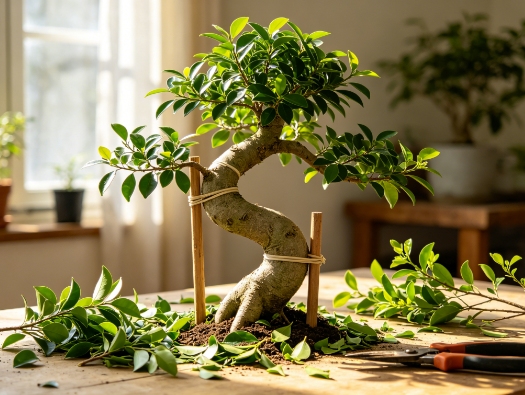
For larger indoor ficus or those with aerial roots, failing to provide proper support can lead to bending branches or uneven growth. Using stakes or careful branch positioning helps maintain structure and encourages robust development.
4. Soil and Potting Errors
Using dense, poorly draining soil is another frequent mistake. Ficus trees require well-aerated soil rich in organic matter. Similarly, pots without drainage holes can accumulate water, causing root rot. Regularly repotting Chinese ficus every two to three years helps refresh the soil and accommodates healthy root expansion.
5. Pest and Disease Oversights
Ignoring pest infestations or environmental stress can lead to serious problems. Common issues include aphids, spider mites, and scale insects. Chinese ficus and other ficus species require regular inspection and immediate treatment with gentle insecticidal sprays or soap solutions. Adequate air circulation also prevents fungal diseases.
6. Conclusion
Maintaining a healthy ficus tree indoors requires avoiding common care mistakes related to watering, lighting, pruning, soil, and pest management. By recognizing and correcting these errors, Chinese ficus and other ficus species can thrive, providing lush greenery and improving indoor air quality. Proper attention to environmental conditions, routine maintenance, and timely intervention ensures a long-lasting, attractive indoor tree.
0