目录
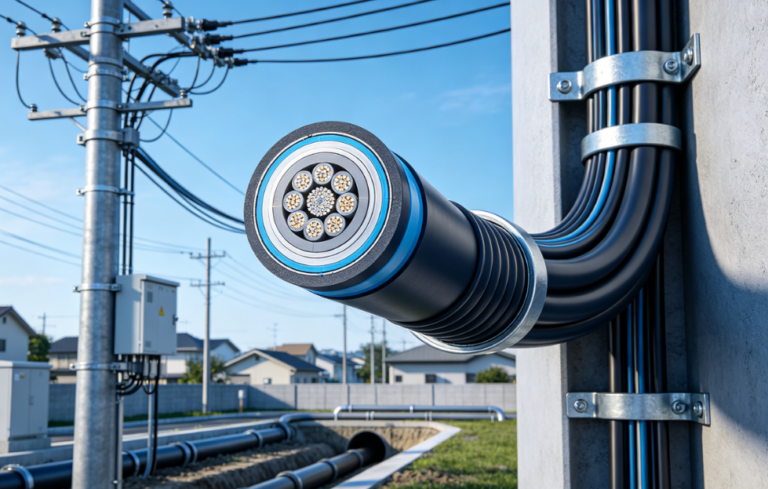
Aerial wire is one of the most commonly used wires for overhead transmissions. Since a considerable amount of current passes through these wires, these are generally built with high-quality material (generally aluminum or copper) with an additional protective coating on the outside to prevent any current leakage. Our aerial wire is one of our most popular products besides bare conductor, and overhead conductor transmission wires.
What is Aerial Wire
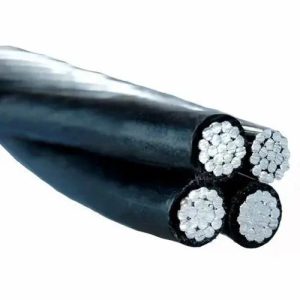
An aerial wire is a highly conductive transmission wire which is generally used for overhead transmissions, and to transmit power and support structures from electrical poles to home. It is made up of high-quality conductive metal usually copper or aluminum, and comes with an additional protective coating. During residential applications, it is also used for single-phase overhead transmissions over longer distances in secondary (and sometimes main) electricity distribution systems.
Benefits of Aerial Wire
- High-quality aerial wires offer several advantages over other wires. That’s why leading wire dealers and businesses keep a large stock of high-quality aerial wire. Some of the benefits of aerial wire include:
- It can withstand all sorts of harsh weather conditions; therefore it is a popular choice for secondary distribution mediums. Moreover, it is suitable for overheads, installation in ducts, as well as for underground burial in all types of conditions.
- Since it has multiple strands of conductors inside, it can be used to connect to multiple circuits at the same time (depending upon the power load) which is more convenient as compared to using multiple overhead wires separately.
- Copper aerial wire being the superior conductor offers the best power transmission, making it ideal for high-performance usage. In commercial buildings, aluminum aerial wire is often used instead due to its significant cost advantage. An aluminum aerial wire is much cheaper in relation, yet it offers excellent performance (although not as good as copper). Since commercial buildings require large quantities of wires, it is the preferred choice for many.
- An aerial wire saves the pulling cost by as much as 200-300% as high power transmission can be achieved through a single wire. This offers a noticeable price advantage when we compare the labor and installation costs for installing separate hot wires and another neutral wire.
- Above all, these are a safer alternative as these cables have high-quality protective shields and undergo strict testing which results in sustained long-term performance. Individual wires are not better insulated in comparison, making them more prone to damage and tears than aerial wire.
At present, we know a lot of high-quality manufacturers in China, and they all manufacture according to the highest industrial quality control standards. The assurance team inspects products at every production stage and conducts 100% testing before batches are shipped to customers. Being direct from the factory allows them to provide high-quality wires and cables in bulk at very affordable prices, thereby increasing the profitability of their customers’ businesses.
0